First and foremost, I wish you a very happy new year. I wish you health and happiness, love and fortune and, most of all, hope.
Feel loved, feel happy, and feel good about yourself. Go, flaunt that list of books you have read, share the movies you watched, post those travel pics of yours and the life recaps, make that resolution (well, again), dance your way into the new year or sleep your way into it, arrive gracefully waltzing or embarrassingly tripping, in your senses or completely sloshed, be loud or quiet, take in the morning sun or bathe in the moonlight, cherish the moment with your loved ones or savour your solitude. Do whatever the hell you want, whatever brings you happiness. Be upbeat, be unapologetic! Don’t let anyone shame you into something or dampen your spirits. Live in exhilaration. Don’t let self-proclaimed pundits of something and everything take your little childish joys away. For those who are battling through the trials of life and couldn’t care less for the celebrations, the pledges and the promises, sending your way my prayers and love—hold on!
As for me, this has always been the time when I stop and take a step back to see and reflect on where I am coming from and where I am headed to. When I was in school, this moment of reflection would invariably be after the short post-exam vacation in March, at the start of every new class term, when I would be bursting with energy and excitement. Though back then, there wasn’t really much to reflect on, only to reminisce and be absolutely thrilled over a fresh start and a clean slate—new classroom, new teachers, old friends in the new classroom, new textbooks, new stationery and, if parents agreed, then possibly a new schoolbag. Now, the same feeling marks the start of the new calendar year for me. Bright and beautiful, a time to reset and reboot, a life full of possibilities. And before someone starts with ‘But the earth goes round…’ Yes, that’s news to me, genius!
This note below is deeply personal, as I speak to myself. And because I speak to myself, chances are, I might also be speaking to you, in the hope that these words find you in your hour of need.
“This is not to console, not to cheer you up, not to give hope, nor to motivate you. This is to put things in perspective as they stand. You have done your share of waiting. You have held your nerves, kept your head low and worked incredibly hard, day after day, running into weeks and months and years, away from all spotlight—from all eyes and any encouragement. Anything of substance is created in solitude, with a clarity of purpose, when a pure heart and an intent mind are aligned. And what you have built is beyond any skill or art form. You have built yourself a character to last a lifetime. When everything around you fell apart, you found in yourself the courage to keep showing up, with a smile on your face, dressing up the pain in your eyes, with a settling calm about you. When nothing seemed to move, you willed yourself on. This fortitude is in itself a success. Through all the slights and humiliations, you carried yourself forward with grace. You remained resolute in the face of adversities. Big adversities and small people did not make you bitter. You remained kind.
You took life’s beatings with a quiet determination. Consider these trophy bruises an addition to your colour palette, your range of emotions, which you can dip into later. Don’t let them go to waste.
You lost some faith and instead found belief. Yes, you lost a few friends along the way. But if a building-up phase was what was required for you to lose them, then so be it. It is good to shed the excess weight—of expectations and people—and travel light. You built walls around yourself. But those few who cared enough found their way to you—through these very walls, around them or over them. The rest will again find you and choose you in their time of need. Keep this distinction between the constants and the crowd. The lines blur when the times are good.
I know you are almost spent. But don’t give up now, don’t give in, don’t let up. The set pieces are all about to fall into place. The life you have wanted is just around the corner. So congratulations, you have arrived! Everything that follows from here on out—the accomplishments and the accolades—has already happened. You ensured the outcome, and the world would just go through its motions in the run-up to the moment.”
Reminders for myself:
Prioritise your health: this is what has kept you sane and helped you sustain for the long haul. An unhealthy you is of no use to the others and a burden upon your loved ones. Eat healthy, nutritious food, exercise regularly and be well rested. Don’t let someone else’s lack of routine ruin yours.
Protect your peace at all costs: don’t compromise on that with others. Do what you love—see the sun rise, go for early morning jogs, do yoga, read books and write freely—make no exceptions.
Don’t be where you don’t want to be: Avoid gatherings which don’t nourish you, definitely if they drain you. You are under no obligation to anyone. Be with your tribe. Surround yourself more with people who share your values, moral fibre and work ethic.
Don’t extend help if it has not been asked of you: Help and people are a complicated relationship. If you offer it without being sought, some may take it as an affront, while with others you run the risk of being taken for granted—you signal your forever availability, and that too, for free. Put a value on your time and effort.
Seek help: even your individual life is a team sport. Let more people in and be a collective success. There’s a kind of strength in showing vulnerability, in asking for help. You do not have to be/cannot be good at everything.
Beep beep! Don’t offer unsolicited advice: there’s no need to appear sagely. You have a tendency to pitch in with advice for your loved ones. If the person has not sought your advice, they’re probably not there yet. Let them level up. Advice works only when there’s self-actualisation. (Given that I have now decided to share the post, this feels like the mother of ironies.)
Observe and learn: you now have an empty cup, or rather, life has emptied your cup for you. Make use of this mindspace. Speak less, take more in. Be eager to learn – in all the facets of life. Be forever curious.
Let people go: people have different priorities in life. Paths diverge, and people fall behind or fade away. Life is a long journey, and travel companions are bound to change. Don’t fret over it. Hold on to memories, cherish them, but let people go.
Cut the anchors: There are people who would knowingly or unknowingly hold you back and drag you down. Not everyone is your responsibility; cut the anchors.
Break patterns: Identify problematic patterns in your behaviour and unhealthy habits and make little tweaks.
Take your time: don’t be rushed into anything because of the others. Everyone has their own interests—protect your own. As long as you are being sincere, trust your judgement. Go slow. You will still arrive, and the world will still stay in its place.
With this, I also fulfil my promise of coming out from under my burrow and writing something other than my book, which has kept me occupied for the better part of these last two years. But more on that later. For now, looking forward to following my heart—to interesting times and immersive experiences.
As a child, I had seen the cartoon Silver Surfer, based on the Marvel comic series by Stan Lee and Jack Kirby. Silver Surfer, was an astronomer, a common inhabitant who rises to the occasion to save his home planet from Galactus, a cosmic predator, a destroyer of the planets. Silver Surfer, in bargain, offers himself as a scout in search for other planets to draw energy from. He starts on his intergalactic journey arising out of this noble cause, for his planet to be spared, a sacrifice for his own people. As a child, I was intrigued. His silver surfboard and his adventures take him further and further away from home, until he’s totally and terribly lost in space. In his journey, he acquires some of the cosmic power and there comes a time when he starts thinking to get back home. He comes close, many a times realizing too late that the place where he’s headed is a look-alike planet, and not his home. He forever loses his people, in space and time.
As a kid, I was frustrated at the protagonist and after a time stopped watching the series altogether. He was not my hero. He could never get anything done. He had this one job, just getting back home and he miserably failed at it. But today, when I look at myself and all those around me, I realize that we’re all a little like Silver Surfer.
At some point, all of us leave our homes, carrying the burden of borrowed dreams and tall desires and hopes on our frail little shoulders. The wishes of an entire community, village or town and leave behind us, moist eyes, with a promise that we’ll be back soon. We’ll be back having accomplished all that we set out to do. At first, we’re frightened for the world appears big and chaotic and uncaring. It is unfamiliar and full of dangers. It is a bit too overwhelming.
For me, a boy from a small town, I had difficulty even crossing roads. The oncoming traffic was unsparing and so were the people. Either you were quick enough or you got run-over. The restlessness and the rush of the city, was mind boggling. Everyone seemed to be headed somewhere. The people here, were not like the ones back home. They were sly, and for some and no good reason, hellbent on getting the better of you. I, who thought people often meant what they said, took people at their words. I was raised that way. All of a sudden, the teachings of my parents and teachers seemed to fail in the face of what I saw and experienced. What I was told to be wary of, what was unhealthy and unethical, was suddenly all fashionable and cool. I was made fun of, at times out of malice, but often innocuously and I did not fully understand either. I had some street-smart friends from big cities, who helped me navigate the complex new world. Friends, whose words were a gospel to me. They seemed to have it all figured out. Their way, was the right way. Back then, I did not even know what street smartness was. I now marvel, at how the world at large seems to confuse cunning for intelligence and simple for stupid.
After a time, and it always takes time, our scared tentative selves fall off to give way to the long strides of a confident person. A person who’s grown into their own. Time passes, seasons change, we stumble and fall, but sooner or later we stand on our feet. We learn the ways of the world and trade innocence for knowledge. We earn our own hard-earned identity. We may not know where everywhere else is, but with any luck, we get to know where we stand.
At first, the dreams of others, our folks, become our dreams and then somewhere along the way we begin to harbour a few of our own. In all earnestness, we labor our way, through sweat and tears and an unforgiving time, in the hope that one day, someday, we will be able to proudly go back home. Sure, from time to time, we do get back for a few days. Doors at which we’re forever welcome. There’s the comfort of home food and often unacknowledged, selfless love. These are however, short excursions, always with the promise of an extended stay. After all, now that we’re busy and there are plans. Something more to be desired, something more to be done. Always!
Our folks still wait for their child. But this person who comes back is never the same person who left. Now that we have seen the world, we feel we know better. In our heads, we’re wiser. There are unmet aspirations. The house is too small, the roof too low, the thoughts high flying. The people here no longer seem to get us. Keep up with our pace. For these are still simple-minded people, living simple lives. For this reason alone, our stay cannot be longer. There’s a train, a flight to catch. The time will come, we shall return.
And in all of this, we often forget, the home changes too. We get old, our people get older. Some of the hands that held us, helped us take those unsteady first steps, those eyes that waited in our wake, are not going to be there forever. And yet, the elaborate exercise of accomplishments, of wealth and fame, the entire fight that takes us further and further away, I feel, is just to be able to get back home. To get back, for the small child that’s still in there somewhere, for the promises the child kept. To be able to go back to his/her loved ones, with head held high, to friends and teachers, family and mother and tell them, ‘see, I told you, I would do it. It just took me a little longer.’
For me, for some of us, the children of the township, the migratory population, it is all the more difficult. There’s not one place we can call home. We have come far from our roots; we make a place home only to be displaced later. Our childhood is like a castle on a shifting quicksand, all the traces completely erased. There’s no one place to get back to. Those small parks and fields, the sweet smell of grass, the swings and the slides, the old dying banyan tree that caught many our cricket balls, the ever-smoking chimneys, the small school benches, the dimly lit corridors, the blue-doored garages, the small lanes, the old bridge, the temple and the kid peering through the high window, calling out to people. We long to go back to a home that’s never really there, that exists perhaps only in our memories.
One day you pass by the house that you once called home and across the boundary walls and through the window, helplessly watch some other people in there, doing things differently, making different use of the same spaces, living lives different than your own. It is no longer your home. There comes a voice from the inside, ‘Come on everyone, the food’s ready.’ And then, ‘Who’s there?’ The kid on the other side of the window stands still, looking at you for a moment, waves to you and then shouts back, ‘Coming Ma, don’t know. I think someone’s lost.’
And the people, our loved ones, who prepared us for this journey, who first set us on this path, just want us to be back. Now that we made something of ourselves, they don’t desire much from us. They’re simply worried for our health and well-being. They just want to spend some time together, whatever little time that’s left. Only now, it is not that simple.
Far away from them, we’re all stars, in our own galaxies. And at the heart of each star that now so brightly twinkles, is a passionate fire that’s feeding on it. The fire that burns, makes it a star. The fire that’s not going to let up until it consumes it completely. The star wants to show gratitude to the people it loves, but now all it can do from afar, is burn a little more and twinkle a bit brighter. Such is the life of every star. It burns, it shines; it cools, it dies.
Sitting cross-legged, basking in the dappled sun, sunlight falling on, off leaves, spilling, splashing, us peeping out the balcony bars, teeth sunk into the tangy pulp of oranges, spitting out the small pips, smelling citrus and reading the book in front. Orange, the colour and the fruit.
Scents and images often stir sensibilities and evoke strong associations from our distant past.
One such sensory experience draws from my recently acquired habit and the daily commute through the street-side fruit markets. I have had this ritual for almost a year now, to carry a box of cut fruits to my office. There’s an apple, one pomegranate, an orange or a bunch of grapes if they’re in season, carefully laid out over a piece of tissue and placed in my tiffin box. It started out with me becoming conscious of my health. But now I have come to love the sweet, biting, citrus taste of fresh fruits in my mouth. These days I notice fruit sellers with their mini-trucks or carts, for some reason painted mostly blue, parked on the sidewalks, with thin wheels and long spokes, fully loaded with oranges, a big heap, a carefully contained avalanche of green balls yellowing in patches. On the fruit carts, some with parasols and some under awnings to keep off the sun, I can also see green custard apples, pink dragon-fruits, pretty looking and almost cosmetic, melons, pineapples, papaya, chikoo (sapota), apples, pink and red, premium and regular, bananas, unripe and green and yellow ripening ones, strung in bunches from the ceiling. Fruits of all kinds are neatly placed in coloured plastic crates or small pyramids. Propped between the fruits or clasped to the side of the cart, there are old weighing scales or digital machines and slates scribbled with chalk announcing their per Kg price. This display reminds me of my childhood trips to the Sunday Market with Papa, where I would gleefully roam around with a spinning pin-wheel in my hand while he bargained the prices.
In my recent visit to Spain, I came across Valencia Oranges which were rather ubiquitous in every city including Valencia. Though this variety is readily available here in India, having it in the place where it draws its name from brings a kind of smug satisfaction. Despite this one-off casual fling I am quite loyal to and love our homegrown Nagpur oranges.
A Peel of History
Oranges, like all citrus fruits have their origins in Southeast Himalayan foothills. The earlier variety of Oranges were sour & bitter and popular mainly for their fragrance and medicinal use. Sweet oranges were most likely brought from India to Europe by the Portuguese traders in the early 16th century.
‘Orange’, the word derives from the Sanskrit word ‘naranga’, or probably from Dravidian ‘naru’, meaning fragrant. It migrated into Persian and Arabic and later was adopted into several European languages, ‘naranja’ in Spanish, ‘narange’ in French and ‘narancia’ in Italian, where eventually ‘n’ was dropped to become today’s orange.
When we were children, my sister and I, through our growing up years had certain rituals that stayed the same, day after day, year after year. Come October and the season of festivities and holidays would begin. Every morning after breakfast, when Papa would leave for work on his scooter or our red Maruti Suzuki 800, and the sun would begin to climb the sky, we would carry a jute mat outside to the balcony, lay it out, cover the balcony rails with bedsheets, get our school books and splay down. There would be a slight chill in the crisp autumn air and the sun would feel good on the skin. We would sit there soaking sun for hours. Mummi would come from time to time, bearing food (home-made delicacies and fruits). Keeping us engaged were wasps and bumble-bees and dragon-flies and droning with them, our daydreams. Around noon, there would be bells and incomprehensible shouts, we would part the sheets to get a view of the streets and would see a person arrive, pushing his fruit-laden juice cart. Out of nowhere, aunties and children would stumble upon the road. Only sometimes would Mummi accede to our request and let us have Orange or Mosambi juice. We would watch in wonder as the juice-seller would pick out a small knife and put quick smooth slashes upon the fruit, peel off the orange green cover, throw the chunks into the mechanical chute and slowly spin the handle. Out gurgling through the sieve, would come a clear orange or pale mosambi juice that mixed with pepper and black salt, he would serve in long transparent glasses. Some days we would be out playing cricket in the neighbouring park. In the sun for hours, dehydrated, out of breath, full of sweat and grime, my friends and me would lay siege upon the juice cart. Cool juice on our lips, sour-sweet explosion in our mouths and we would devour winter in quick greedy gulps.
Some days when we would be out reading, Mummi would come from behind and squeeze orange peel in our eyes or I would do the same to my sister. There would be burning eyes, loud cries and laughter. In our house Mummi would often be the last to take a bath. As part of her daily prayer, she would offer water to the Tulsi plant, leave the incense sticks in the pot and then lay out the washed and dripping clothes on the clothesline. She would then stand by the balcony and have her breakfast which was mostly chivda (flattened rice) and vegetables. I would feel the cool scented drops from the washed clothes fall upon my face and would cup my palms to collect them. Mummi would stand there and pass live commentary on the neighborhood, on who was doing what, what they had spoken the day before, if she had spotted any of our friends or teachers, her opinion of the world in general and her disapproval of the gossips in particular, utterances and news of the extended family. She would marvel at the ground-floor houses, with well-maintained gardens, lush green lawns with brickwork on their borders, trimmed hedges, adorned with flowers of different kinds, roses, dahlia, marigold, jasmine, lively with bees and butterflies and sprightly squirrels. She would lament on us not having a garden and all that came with it. The three of us dreamt of playing badminton together, under an open sky with the cushion of grass under our feet, shuttle drifting through the wind, us squinting our eyes in the sun to take a swing. It was not going to be an ideal game, but it was never about a perfect game. It was about us playing together. In the years to come we did have a ground-floor house and then a bungalow, we went on to play a lot of badminton with our friends in the executive club, sister even picked it up as a sport in her college, but somehow, we never played with Mummi.
The smell of oranges carries me back several years to those days in the small balcony where these memories linger around like the citrus scent on fingernails. Every year when they’re in season I buy oranges in bulk. Every season, to me, they taste the same, of childhood winters. Every season they taste a bit older.
Myth subsumes oranges like almost everything else and presents to us a delectable tale. Adonis, the lover of Venus is killed by a wild boar and is laid down in the shade of laurel trees. Venus remembers Daphne, Apollo’s first love, who was turned into a laurel tree and immortalised. She similarly transforms the dead Adonis into an Orange tree and plants this tree in the Garden of the Hesperides. This is how Oranges became sacred to Venus, the goddess of love. Oranges began to be identified as the equivalent of golden apples grown in this mythical garden of Hesperides and stealing these Golden Apples was the goal of Hercules, to secure the gift of immortality.
Oranges were considered exotic and these tales above show the importance accorded to this fruit of nobility.
Below is a beautiful poem by Roisin Kelly, titled ‘Oranges‘, in which she compares choosing oranges to the process of getting to know a person.
A drift of white blossoms from the orange tree will settle in my hair and I’ll know.
This is how I will choose you: by feeling you smelling you, by slipping you into my coat.
Maybe then I’ll climb the hill, look down on the town we live in with sunlight on my face
…but I’m so glad that your letter found me and that my book found you..
The Guernsey Literary and Potato Peel Pie Society
Speaking to Nanaji has now become a weekly ritual. Sometime long back it was a part of my daily routine. Our conversations have always revolved around me enquiring about his health and Nanima’s, what’s he had for breakfast or supper, what was he doing just then, the weather back home, is it too hot or too cold or too rainy, him asking me about the same questions, questions that have evolved from how my studies are (during my school and university days) to now, how’s my work going, when am I going to get married, to how much more am I going to study, what was I studying just then and if I am ever going to come visit them. Last time when I dialed him, I asked them about letters, letters being on my mind since I had recently been reading the ‘84, Charing Cross Road’ and before that ‘The Guernsey Literary & Potato Peel Pie Society’. Correspondence between the lead characters, sharing intimate details of their very different lives and the request for books from one to the other being the common themes that I drew, besides the warmth of friendships and the exchange of rare artefacts, Christmas gifts, the beauty of Channel Islands, the quaint streets of London, the cheerful people resolute in the times of their misery.
I belong to probably the last generation that would have remotely witnessed the art of letter writing or even has faint memories of letters, postcards, telegrams and suchlike. I fondly remember my mother receiving them. I would forever be grateful to my grandparents for writing, at times addressed to me. I remember being instructed myself to write a few.
I spoke to my grandparents of how letters in the past were written, the different forms. They told me how good the postal service back then was, how during his varsity days, often in the evenings Nanaji carried a postcard for his brother and dropped it off at the RMS (Railway Mail Service) to be picked up at 5 and delivered the next day, how it would take Nanima only two to three days to write him from her parents’ home, how she still has that letter her mother wrote her when she first came to stay with him, of how they were always scared when they would receive a telegram, expecting the arrival of some unfortunate news. Telegrams were costly, chargeable per word and more than people at the time could afford. They usually brought back home the news of appointments and deaths. They told me how the blue-looking inland letters issued by the Post office were different from the postcards and envelope letters, with their sharp folds, places designated to write upon and portions to glue. Nanaji has saved a letter written to him by one of his dear friends. It’s in the brown briefcase kept with a stack of black briefcases on top of an almirah that still stands tall in the corner, next to the north facing window of his room or the east one. Half his room is windows.
No, the letters that came by post were nothing like today’s electronic mail or e-mail as we call them. Today the mode of communication is instant, quick and comforting. Letters of the past, were painstaking to write, not hurriedly typed but meticulously handwritten. Today we might not even need to type out those drab mails of ours or draft official notices and circulars. We may simply give a prompt on ChatGpt or similar AI tools and have a templatized and more or less accurate response ready. There’s little application of the mind required, save the prompt.
However, I am afraid what we might lose in the process is a treasure trove of literary genius and the little nuggets of history that present themselves in the archives. Our own little footprints on the beaches of time. How then do the digital prints compare to these, is anyone’s guess. I am afraid they’re going to come up real short.
‘There is a bareness about an age that has neither letter-writers nor biographers’
Virginia Woolf
From ancient times, there are plenty of brilliant Epistolary examples. Bhagavata Purana, the Indian scripture, cites a letter written by Princess Rukmini to Lord Krishna, expressing her affection and laying out a plan for her rescue. The exchanges between Marcus Aurelius and his teacher Fronto (AD 139-148), are a fine example of Homosexual love. The 12th century letters between Abelard (a famous French philosopher) & Heloise (his pupil), reveal a passionate burning love, the unfolding of a major scandal and a tragic end. Their story inspired a poem, ‘Eloisa to Abelard’ by Alexander Pope, in which a line (Eternal sunshine of the spotless mind) became the title for the 2004 romantic movie starring Jim Carrey and Kate Winslet, and the poem was recited by the character Mary Svevo during the memory-erasing procedure.
How happy is the blameless vestal’s lot! The world forgetting, by the world forgot. Eternal sunshine of the spotless mind! Each pray’r accepted, and each wish resign’d
‘Eloisa to Abelard’ by Alexander Pope
The letters of the past did not sound distant and impersonal. They carried a spontaneity in them and yet an earnest thoughtfulness. They were absorbing, each had a story to tell. My bias, maybe stems from a natural love for written words. I feel something written down only makes it more real. Something written with hand, follows less of mind but flows directly from the heart and the scribbles and scritches are somewhere edged back in our souls. A dip pen or a quill to drip into your feelings and memories, and draw them out, just like the ink.
There was an entire emotive experience attached even to letter reading. The agonizing wait, the anticipation, the excitement and the satisfaction. The thrill of tearing the envelope open, pulling out the letter and carefully unfolding them, passing them from hand to hand, the tendency to peek and huddle while one read them aloud. The touch, the texture, the scent of paper and the ink used. The papery smell, at times musty and damp, at times dry and dusty, weather worn and bearing traces of their journey. A coffee ring or spilt tea, an ink splash, a thumb print, a kiss, were all a part of the letter. A whiff of the pungent smell of ink and finger tips retracing the scribbles of pen. Holding the paper in your hand is like holding onto feelings, if you drop, they won’t just plunge, they would most certainly drift.
The Missing Mail
I still remember R.K Narayanan’s short story from ‘The Malgudi Days’ titled ‘The missing mail’. We had the story as part of our school curriculum. The affectionate postman delivering letters and stopping at each house to share their joys and worries and grief, consoling and condoling, proffering letters and congratulatory messages, in turn, being offered sweets and water. Very much a part of the daily lives of the people of Malgudi. Nowadays all we receive from the post is maybe a sim card, or bank cards or invoices, shareholding information, physical copies of official communication or maybe a zipping letter from Hogwarts. The khakhi-clad talkative postmen delivering mail on bicycles, carrying letters in their brown sling bags are very much a thing of the past, as are the red and black letter boxes that were once ubiquitous. Growing up, my sister even had a piggy bank, shaped like a post box, with a slit and a door below locked with a tiny golden lock.
‘Once on a very foggy night I could not find a friend’s house so instead of wandering about for hours I posted myself and was delivered in a few minutes.’
Reginald Bray, on paying the Post Office to get a postman to walk him home (1900)
At times the letters had smudged ink but indelible memories, to be stowed away with the stack of older ones, ending up a part of the family heirloom. The words were carefully picked. Today in our short cryptic writings on instant messaging apps, in our pensive mood or in elation or love we do share with our friends, beautiful little nuggets of truth and wisdom. Comments on the world around us, observations, our adventures, failings, remorse and exhilaration. But everything is on a fly, passing by. Everything being there, somewhere on a cloud server and being lost just like that, never really there. Much is also lost in conveying love in short snippets of today’s messages and symbols, where emotions have become emojis. To be able to love and not express it in a wholesome manner seems a travesty. Love is never supposed to be quiet. It is grandiose and so must be its expression. It is about outrageous exaggeration, lofty promises and loud proclamations, innocent hope and a firm belief in all of it to be true. Imagine, were it not for the letters we would never have come to know of the beautiful correspondences of Anaïs Nin and Henry Miller, Amrita Pritam and Imroz (Dastavez), Oscar Wilde and Alfred Douglas, John Keats and Fanny Brawne, Ted Hughes and Sylvia Plath, Virginia Woolf and Vita, ‘Letters from a Father to his Daughter’ and many more.
‘I almost wish we were butterflies and liv’d but three summer days. Three such days with you I could fill with more delight than fifty common years could ever contain . . .’
A dying Keats writes to Fanny Brawn
‘Make it rich as a draught of poppies to intoxicate me. Write the softest words and kiss them that I may at least touch my lips where yours have been.’
John Keats
My First and the Only Love Letter
‘If you must re-read old love letters better pick a room without mirrors.’
journalist Mignon McLaughlin in ‘The Second Neurotic’s Notebook’
The first and the only love letter I had given was on an impulse and today when I look back, though squirming, I admire the kid who had the spirit and the gumption to do it. It was an innocent enough letter, harmless, to express admiration, affection, celebrate friendship and love, and rue the impending farewell. I was a reluctant kid back then, of chosen words and meek demeanor. So, something must have moved me enough and deeply, to go ahead and write the letter. Something told me that the world would cease to exist if I did not drop that off. I was nervous, paced in my room scared to death on how it would be received and if not anything, I would call the recipient, my friend, feisty who would have punched me straight in the face. But it was for some reason really important to me. I borrowed my friend’s bike, tucked the envelope in my pocket and hopped on to face the end of the world.
Waiting outside her hostel I was awkward and skippy, with several eyes upon me. That I was not an unknown face, did not help. She came down with a visibly confused and an irritated look. Both tentative, that the other would do something stupid. She had that quizzical look when I handed over the letter, for a moment she went blank and then quite gracefully accepted. We shook hands, spoke of something totally irrelevant and parted, relieved. A huge load off both our chests.
It was a pretty stupid thing to do. But you’d wonder, did I or did I not receive a reply? I most certainly did. A very generous one, overflowing with emotions, love and affection. Moreover, I had found someone I could unabashedly write letters to.
प्यार का पहला खत लिखने में वक़्त तो लगता है (It takes time to write the first letter of love)
JAGJIT SINGH
“You pierce my soul. I am half agony, half hope. Tell me not that I am too late, that such precious feelings are gone for ever.”
Jane Austen (PERsuasion, A Letter from Wentworth to Anne)
However much it may seem, this piece is in no way an exhortation to go back to the ways of the old, merely a cherished celebration, of a practice that was once a way of life, a privilege, a beautiful art form that seems to be slowly slipping into oblivion.
P.S. Go check out Simon Garfield’s ‘To the Letter’. I opened the book and out tumbled letters in heaps, centuries-old beautiful correspondences filled with complicated relationships and historical trivia.
Nanima sitting in her chair wearing a blue-green floral print saree, a single bronze bangle on her right arm, square black-rimmed specs, Nanaji standing next to her, blue striped short kurta, brown, leather-strap watch on his left wrist, wearing glasses, looking sharp as always, clean shaven, probably smelling of Old Spice and Boroline. Both looking sheepishly at the cake in front of them and towards each other, Nanaji wearing a grin on his face. Snow white hair, with traces of former black on both. What must have they been thinking, feeling?
It’s just the pictures. At the moment Nanaji takes hold of Nanima’s hand as they together cut the cake. It looks like a black forest with thick frosting and a plump cherry on the top. There are four small candles, all of different colors, red, blue, orange and pink. Nanima has one palm on the table to support herself up. She stands looking haggard and out of breath. She has a smile to her face, though at the other times I would have expected her to say something quippy, unabashed. Nanaji would turn crimson cheeked, in a reflux begin to stop her and then realizing the futility of his attempt, withdraw. People all around would crack up at her jest. I have always thought Nanima to be spirited and full of wit and vigour, whimsical and tempestuous as the Eastern winds (Purabiya as she used to call it).
I have seen the monochrome photographs from the earlier times, inside the glass cabinet, a confident looking fair young woman, sitting straight backed, nicely filled out. Today, she has shrunk in her clothes, I can see her collar bones, her shoulders seem frail now, her hands are bony, all flesh has disappeared. Chemo seems to have taken its toll. She still smiles her gleeful smile, her beautiful thin lips parted, the two upper front teeth have disappeared, I can see the gap between the two canines, heart all opened up. Nanima usually tells people what’s in her heart, she often has a lot to tell.
A well of stories – Dastangoi
Wo naani kee baaton mein pariyon ka dera Wo chehre ke jhuriyon mein sadiyon ka phera Wo choti see raatein wo lambi kahaani
We have heard the greatest number of stories from Nanima. Almost every summer evening for about an hour we sat out on the Verandah, on the wooden cot under open skies or next to her on a chair in the long dark corridor leading to Nanaji’s room. We sat next to the cloth-stand, looking out the white grill, the branches of a pomegranate tree, past the two curving coconut trees grazing our boundary walls, towering endlessly and beyond them a grassy weedy field to Meera Talkies, one of the only two cinema halls in the town and for us in the world. Over the frenzy of movie goers, the ending of one show and the beginning of another, the ruckus at the ticket booking counters and songs crooning from the theaters, Nanima’s voice rose and fell through, as she wove tales of hapless birds and magical fairies and princes and witches.
She would tell us stories in Maithili switching to Hindi from time to time. We heard almost the same familiar ones every summer with some new additions. At times we would move up the unlit terrace, spread out the jute mat and lie down, counting stars and hearing tales about constellations, particularly Saptarishi (The seven stars of the big dipper). We got to know from her, why Indra (the king of devas and heaven) was cursed? How Chunmuniya (the sparrow) got free? Why do all the households in Nehra, her ancestral home, have choolha (stoves) facing south (this one has ghosts)? How did Bharti, the wife of the scholar Mandan Mishra defeat Shankaracharya? These stories, a pail taken out each summer evening, lived on in us, making us the bearer of those stories, emissaries let out into the world.
Jekro chinma kheliye ge bhaiya Seho pakadne jae che Parvat muhar pe khota re khota baccha bhukhal mare che
(O brother, the one whose grains I have eaten has caught me, Up on the mountains I have a nest, my children there are dying of hunger)
We have a swing out front on the verandah, front of the flower bed that runs along the backside wall and turns the corner. It has wooden clapboards painted green and the ornate iron frame painted red. A mild sweet fragrance wafts from the night blooming jasmine (parijaat/raat-ki-rani) and fills the air. The dark summer evenings turn magical with fireflies gliding and glowing, green-yellow, blinking as stars, pulsing on and off, over ledges, from behind the plants in pots & flower bed and over the porch-shed and terrace. We would sit there gently rocking the swing. Nanima would feel nauseated and sit in front, on the cot, under the porch-shed, oval overhead lamp flooding her in bright yellow, insects swarming and popping. As the evening would age, we would begin with playing place names, country capital and invariably end up with Antakshari. The songs skipped generations, there were the unheard-of old ones, some I suspect Nanima sang only for Nanaji, then some usual suspects from the 80’s and 90’s, songs from the yesteryears and contemporaries that would be quick on our tongues, songs we stole from the running theatres and then there were the ones we made up to suit our needs. The singing would be punctuated with endless talk, teasing, arguments and earnest laughter that flowed over the constant hum of household work, the sputtering of generators from the theatres and the clattering of handpump in the background, the squeak of its iron hinges and the splaying of water. We would push the swing further and further away until it would level with the backside wall, with Hotel Vijaya in sight and out beyond to touch the summer sky.
Our household would fold up around Nanima, assembled uncles and aunts, mama, mami, mausi, their cousins and our cousins, neighborhood kids, evening guests and domestic help. There would be a kerosene laced lantern placed nearby in the corner, on a stool, the old book shelf or the cot. Having electricity even for a small while was a luxury, never in one stretch, an hour at most in the evenings. There were two feeders to plug into, Gangjala (low-voltage) and Town (high-voltage). We often got to know standing at the base of the steps leading up the terrace and looking in the direction of the sprawling town, seeing which end was lit. There were nights we got lucky and could see our dinner. Most nights I dreaded eating insects. Whenever we had electricity with decent voltage and were sufficiently tired of singing songs and talking, we sat with Nanima in front of the television box, thumping remote and sifting through countless channels searching for movies. Though earlier in the day we would already have skimmed through the program listings page in the two regional dailies. Nanaji would drop in and out of the room with an old cranky radio in his hand. At times he would be lighting up mosquito coils and placing it underneath beds or the blue dining table. The night would grow upon me as I would slump against the bolsters with sleep lidded eyes and vacation fatigued legs, dreaming already of a new dawn and the plentiful to be done.
Plucking flowers for Nanima’s puja was one of the most exciting early morning summer activities to look forward to. It would be cool and breezy outside, stirring chirrups from the many trees around and a gray-turning-blue sky. House would still be opening its sleep crusted eyes and stretching its cat paws. We would head downstairs before sunrise, a wicker or brass basket in our hands to gather dew glistened flowers in. We would climb over the campus brick wall and then if no one was watching, monkey up the branches of a Kaner tree (Yellow Oleander). There would be blue bells to the other side of the wall, shockingly blue and a guard who would start shouting if he were to spot us trespassing. Our side would have red and pink roses, sunflower, marigold, bougainvillea and hibiscus (shoe flower). Once done we would make a race upstairs, hollering and eating cold flawless air, small feet leaping in giant strides, slapping the ground hard and springing up the stair steps. Anil bhaiya would almost always beat us to it. Tinkle of bells, rattle of his bicycle and clink of cans, Ramesh mama would come bringing milk from his village. It would soon be time for our family to gather round for strongly brewed morning tea. A tray with tea cups and glasses would arrive, Nanaji would take his tea sugarless, Mami and me would have a sugary syrup. Us kids would have Nice biscuits, sugar sprinkled or the bourbon or arrowroot biscuits (that I absolutely hate) to go along with the tea. Nibbling upon the biscuits dunked in hot tea, us dipping, them crumbling would be one of the delicious innocent joys of life. It would be followed with bread and hard-boiled eggs or maggi, and that would only be the first of the breakfasts. We would join Nanaji for fruits and mangoes (don’t club them in one), chhena, dahi chura which he would forcibly make us eat and sweets. Nanima would prepare for us her famous, paper thin rice chapatis to be had with tomato pickle chutney. All of us then sat together either on the floor or outside on the cot, two big thalis spread out in front, eight to ten people gathered around, attacking chura bhujja (rice flakes) fried in ghee, or puffed rice mixed in mustard oil and salt and a big bowl of salad of onion, cucumber, chickpea and moong sprouts. As I have long suspected, ours is a family that believes in eating its troubles away. With tummies filled to the brim and a content purring heart, we would prepare ourselves to laze through the day. Such were our summer customs, long slow days and long-lasting family rituals, unspoken of, expected and reliable.
Nanima has college and an ocean at the end of the lawn
On certain days, Nanaji would drop us off to Nanima’s college (Ramesh Jha Mahila College). The rust red gates would be thrown wide open and 3-4 people would rush forward in salutation and greetings to help her out. Our car, a blue Maruti Suzuki 800, would trundle over the dirt & brick road to a stop under a copse of trees. A bunch of keys would jangle and the old brown doors to the Principal’s office would be flung open. Single storied classroom and office blocks were arranged around the grassy field in a more or less rectangular fashion. Paint chipping off the white washed walls, parts crumbling to reveal the concrete underneath. About 100 metres straight from the Principal’s office, within a circular fencing was the statue of the founder, our grandfather (Bade Nanaji, Nanaji’s elder brother). I don’t clearly remember but I think he had his black specs on and was in his characteristic white topi. Once I had tried to sketch his likeness. Now that I look back, I had done a really poor job, nonetheless it won me a Chinese checkers. Once inside Nanima’s office, I would love to prance about and fiddle with her things. It was a place of authority, with important registers to be signed, stacks of papers and paper weights, many coloured pens and pen stands, wired telephone and a magic bell. You pressed it and people came running into the room. There was an attached mystery room, that had served as her retiring quarters. It had a small bed and a refrigerator that opened up to water bottles, and a lot of vacuous disappointment. A small window overlooked the grassy slope down to the front wall lined with trees. We used to get our school books along for summer homework. Nanima would always slip us some of her own books to read. That’s how I read her memoir, a collection of Premchand’s short stories, stories of Manto and one summer, a hefty and voluminous copy of Mahabharata. At times she would give us work, texts to be translated from Hindi to English or Sanskrit and vice-versa.
One of the fondest memories I have of us together is the tinkling of bells, Nanima handing over a bunch of rolled up notes, a tricycle outside the gates and atop it a red square box, cold white air escaping the heavy lid, dark scrawny hands searching and magically producing three short sticks of milky white Kulfi. Nanima, my sister and me bit into our summer noon delight, fuming, sweet and milky. Must not have been more than Rupee 5 a piece and yet I believe it to be the best Kulfi I’ve had.
At the opposite end to the Principal’s office, on the far side of the lawn, there was a break between the two blocks. A spirited black dog with white spots mostly had a free run of the place and would merrily bounce about snapping at us. When it wasn’t around, we would romp across and go exploring to the other side. There would be zig-zagging dragon flies and dancing butterflies and sprightly squirrels keeping company with us across the lawn. The space sloped downwards to a small pool that shimmered in the bright daylight. It was muddy and surrounded by brambles and blowdowns, broken twigs, a few mango trees and a couple of litchi trees. We would pluck litchi, eat the pulp and throw the seeds into the pond. Regardless of what one says there’s no substitute to and much merit and joy in not having to do anything.
Twilight
The sun would still be hot and bright and sharp in the eyes. I would wait by the handpump for Anil bhaiya to do the dishes and come play with me. Bat and ball would be out, ball most times would be bright coloured plastic balls, neon or green or red. We would hit it in wayward directions, up the terrace and over it, backside beyond our boundary walls, on the left over the flower bed and down into the neighbouring fields, straight out of sight, past the premises, into our small farm. Rest of our time was spent finding and fetching it back. We often went searching for one and came back with another. Some other days, it would be a game of hopscotch with my sisters or seven stones or hide and seek.
Nanima in the meantime would prepare for us bel juice (stone apple fruit), ice-cold and sweet, yellow-orange, served in transparent glasses that we would gulp down in breathless quick swigs, making long twisted faces. Certain evenings we would be greeted to the brimming frothy glasses of familiar old Mango shake. Mangoes would be a dime a dozen, picked fresh from our farms, ripe ones spread out on jute sacks underneath Nanaji’s bed, and those yet to ripen would be kept covered in hay, in carton boxes, in the dark, stuffy store room, the cob webbed, dust gathering corner room with old moldy newspapers, grain barrels, trunks with blankets and winter clothes, my old yellow tricycle and the looming long shadows and hidden demons.
As the sun would go down, we would bring out the hose pipe or draw water from the handpump and my sister and I would take turns to sprinkle water over the flowers and the summer baked earth, taking in the mild scent of the wet verandah.
“On a million hillsides the girl ran, on a million bridges the girl chose, on a million paths the woman stood… All different, all one. All she could do for all of them was be herself..”
Ma, Nanima, Nanu & Dadu has always been close to us kids, forever indulgent. She’s read out books to us, listened to my recitations, sat down for grammar sessions, nail-painted my sisters, pampered us with delicious dishes and raised a lot of kids.
We have seen her cool-self glide gracefully from generation to generation. She was quick to learn computer and have a mail id, use word document and the one among us all kids to play songs first on PC. She was the first to learn texting when mobile arrived. She was the first to have a social media account. I remember her being cross when I did not accept her friend request. She was quick to switch to a smartphone and come on Whatsapp about the same time as us. She’s been toe to toe with tech advancements and has either taught herself or learnt from her grandkids.
She still takes a keen interest in all our lives, often speaks her mind and has been goading me to have a girlfriend for as long as I can remember. For us she’s always donned several hats, the house-in-chief, college principal, masterchef, summer play friend, master story teller and our ultimate refuge. When you were running away from discipline, Ma and Nanaji and had to break about a dozen rules and routine, you approached Nanima. When you had to go to the theatres, when you had to skip the afternoon nap or when you had to stay up late at night, watching movies, you approached Nanima.
She’s been a huge influence on us all. My mama and me take reading and writing from her, she’s behind all our unbridled optimism and I suspect she’s the reason lip runs in the family.
To top it all off, somewhere hidden in there is a gold medal Nanima received graduating, sometime in the 60’s.
When you are a child, there are days of endless summer, the slow summer of dreams. Same as the year before, same the year after. Familiar people, familiar places, abundance of warmth and love and laughter, endless run across the faraway fields, small fists and in them endless clumps of grass and stars. Then one morning you wake up and the lingering long summer ends, sudden and abrupt. You’ve grown up, the places are left far behind and the people you loved so dearly have suddenly grown old. However hard you try, you aren’t able to hold on to the summer any longer, the promising summer of the old never comes back.
Mine is usually a quiet neighborhood. The bell strikes for the third time like a huge hammer on a gong and I finally bolt out of bed, eyes still shut and crusty, head heavy and mind dazed. I hurt my toe as I fumble my way to open the door, let my maid didi in and relieve myself of this morning misery. I slide under my comforter, strap myself in and go back to sleep. Out on the street a flower seller shouts, a vegetable cart proclaims the existence of vegetables, a balloon seller plays bamboo flute, a municipality vehicle arrives with a loudspeaker and a pinching voice behind it blares the importance of waste segregation and then abruptly breaks into a song, the garbage truck follows it, a fish monger pronounces her fresh catch, a scrap collector begs and bellows for scrap cardboards and bottles, a hawker tries to sell god knows what, there’s a constant beating of metal somewhere in the neighborhood and a moped without a silencer rushes past. Today is Sunday and I find myself in the middle of a circus.
But this is how I find myself placed in life. A bit unprepared and thoroughly boggled. As if I walked right into it. My dreams by far outweigh my reality, but then I have always thought this is what dreams are supposed to do. In the past I have been free-flowing and fearless, full of youthful exuberance, as people in the age mostly are. Plans and rules, scriptures and strictures don’t work out for me. I don’t always follow straight lines and marked paths; I would rather explore the wilderness, take chances in the world of consequences. If you tell me there’s some place forbidden for the fear of a dragon folklore, you would be pointing me straight to the dragon. I don’t know whether it’s foolhardy or outright stupid. Maybe this is the reason I keep getting lost. Then maybe, this is also the reason I keep getting found. The road though, from potential and promises to accomplishments, seems long.
I moved cities against my better judgement. One of the reasons was to get closer to the girl I loved. I categorically remember having discussed it out with her. So, a ‘no’ in her first visit was heartbreaking and I felt, a tad unfair. Six months later she told me she was seeing someone, so I had to leave commiseration behind, pick up my pieces and move on. I had joined an early-stage start-up with all but five people in the central team. I did it at a time when I was beginning to write regularly, gather form and flow and understand more about my writing and myself. I was beginning to get in touch with who I was, what I really felt and learning to put it down in simple words. The book I had been working on for the past two years was still unfinished and needed tending to. My heart told me to stay put, ride it out and complete it, but that was one more year’s work and I had run out of money. There were responsibilities weighing in. A pandemic that kept driving home the importance of health, resources, preparedness and planning. The longer the break from corporate, more difficult and slimer my chances of a smooth and graceful re-entry. So, I paid heed to my mind, rammed practicality into my decision and my heart and took the job. A job that drew from my educational background and what some like to call technical expertise. I launched the Pharma marketing business here, built a team around me and spread it across five states, something I am incredibly proud of. And yet a voice has been beckoning me to give it all up and embark on a completely different journey.
I am 30 turning 31 and I have questions. No, I don’t have my life figured out. I am yet to pursue the vocation of my dreams uninterrupted and unbothered. I am unmarried, not that I have been in the pursuit of marriage. In fact, quite the opposite. I have been dodging the subject and my family for a couple of years. Am trying not to drown in the deluge of oncoming proposals and I recently begun to realize that my mother and I would not like to marry the same girl. I had been hoping to just run into the one. I was counting on India’s population to make that happen. Our odds of running into each other are definitely high. Such run-ins are the reason I am so bruised, smacked right when I wasn’t paying attention. Falling on each other rather than falling for has been the norm. I have never before acknowledged it myself in my writings or otherwise, but the uncertainty of finding love has begun to weigh upon me and the acknowledgement only makes it more real and worse. Sharing it with friends from the same gender is often friendly banter, denial or scoffing at the prospects and sharing it with those from the opposite spectrum is like dealing in faulty live wires. Something would connect and someone would most certainly get electrocuted and well, be kaput. I have discovered that casual conversations often make way for serious casualties.
Loves me, loves me not
I feel Cupid’s arrows have struck me in all the wrong places. There have been some with no strings attached and then some who kept stringing me along. I have been head over heels in love. I have had flings. I have professed love only to quickly fall out of it and with great relief too. I’ve said yes, when I should have said no. I’ve been dumped, rejected, spurned, ghosted. Some tell me that I keep falling for the same kind of women. I still can’t make out the difference. I have been across all sides of the table, on top and painfully below.
My cousin who ditched, got hitched
The phrase ‘getting hitched’ takes its origin from tying horses to wagons. (This is only for my sister to read)
I just came back from my cousin sister’s wedding and I am a riot of emotions. She’s very dear to me. Somehow when things turned upside down for either of us, we found the other and were present without questions, without judgement, own circumstances notwithstanding. The deep set love I bear for her doesn’t need an exhibit. How it came to be I do not know and while the last few days were about her, this piece is not. I brought it up because at such gatherings you’re faced with people, personalities and perspectives. There, I met characters much like those I meet in all spheres of life. People who know less and speak more, for whom knowledge is inversely proportional to their eloquence and who regurgitate what little they know or have heard of. While I am very comfortable in my own skin, these are the kind that get under it. The self-endowed privilege of intellectual snobbism, without the concerted application of intellect, is magical. It is something to marvel at, the confidence to dive head-on in shallow pools. For me, it must mean certain death. I returned with a newly discovered resolve to ditch my own mediocrity, shed caution and pursue excellence in the field of my choice. To do what I love and do it with unapologetic abandon. For, if these people could have the confidence, I could certainly find something within to work with. I also came back feeling exposed, to my many relatives training their guns on me, the barrage of questions that have started to appear like pointed hooks.
The many what-Ifs
I carry a mortifying fear of what-ifs. What if for practical concerns I let go of my dreams? What if I continue my day job long enough to lose my ability to write? They say, you end up being what you do. What-if as a result of what I do, day in & day out, my own identity becomes indistinguishable from my job? What if in the blind pursuit of my dreams I lose the chance to spend quality time with my loved ones? What if the pursuit of my passion brings me to penury? What if in the quest for a supportive partner I end up choosing someone I do not love? It is after all easy to mistake care for love. What if to toe the line of my prospective love I lose control over the narrative of my life? What if I already have and it is now too late? What if it is not and I am one stumbling step away from leading the life of my dreams?
I love star gazing and wish to set up my own small observatory. I admit that I am a mad Selenophile. I wish to study quantum physics. I had almost completed a book in undergrad, trying to understand universe and existence. I can still make some sense of advanced mathematics. I want to write screenplay for a movie, many movies. I will soon get a book published. I wish to write from dawn till dusk and then some more, finish reading complete works of all of my favorite authors, peep out my window more often, extensively travel the world, live by the beach and the lake and in the woods, tend to my own garden, flushed with sunshine and flowers, blessed with bees and butterflies and squirrels and share silence with someone special. I wish to continue my morning run and yoga and find more time for family and friends and still be a resounding success. Those who have made my acquaintance of late, might find this overambitious, or even delusional. Those who know me really well would know I would accomplish them all, unrushed and in no particular order. Those who don’t know me at all might find this inspirational.
Of late, I spoke to a lady friend of mine, who was visiting India and remembered me because she happened to be reading Murakami (“What I Talk About When I Talk About Running”). We were speaking after almost a year. We have been checking up on each other for half a decade now, among other things as a selfish reassurance that the other’s still unmarried. I greatly admire her for her gumption and courage, for standing up to her fiancé who had whimsically put her on hold for his Civil Services prep, for packing her bags, enrolling for a course in Dublin, charting her way to the social sector and finally landing her dream job in Italy. During our conversation, she remarked, let’s admit we have begun to experience loneliness. Both of us are generally brimming with life, lead an active lifestyle, strive for health and pursue interests outside of work. But both of us knew what was being spoken of. Not having anyone to share difficult times does make you sad, then there’s also a strange sadness in not being able to share happiness and humor and beauty. For me, there’s suddenly a pang of anxiety over disappearing friends, fading friendships, dissolving equations and changing priorities.
When I was a little boy, I used to start by reading the end of the story, just to make sure everything was going to turn out okay. As for my own story, we will just have to see.
There’s something beautiful about the people I do not chase The people who find me The people I am not looking for The people I let go, the people who stay The people who think of me The people I am unmindful of The people who like my company The people I do not make much time for The people who have me in their hearts The people I have outside my walls The people who I do not let in The people who do not knock The people who come into my life uninvited And stay the course The people who have me at the center of their universe The people forever on the sidelines of mine The people who do not have much to give The people who always find something to offer The people who teach me how to walk The people I leave behind when I run The people who teach me how to fly The people I look down upon from the high-flying skies The people there to catch me when I stumble or flip & fall The people I turn to when I lose it all The people who forever tend to me The people I leave unattended The people who I somehow do not seem to lose Something beautiful about the people I do not choose.
Smells evoke emotions, at times strong definitive ones. They’re a reminder of the things past, memories, people and places. There are strong associations to different kinds of smell, all of them personal, some intimate. The smell of Boroline for example, takes me back in time to Saharsa, to the glass medicine cabinet I once could not reach and to Nanaji’s soft cream-applied hands. I remember the smell of Marlboro double burst or the taste or a mix of both. And no, it was not just tobacco and no, I do not smoke, never have. I remember it from a kiss. It reminds me of a beautiful night in Florence, the quiet deserted streets and of one of the best friends I’ve ever had. Crushed tobacco reminds me of Baba, bright idle noons or dull evenings and draws upon my mind a picture of me in his lap, convulsively sneezing every single time he clapped his hands. But this piece is particularly about my summer mornings and Old Spice.
Crusty eyes that woke up to childhood summer mornings always had a lot to look forward to. Out the frosted window, wind and wishes, cheeping birds, a heart full of small fluttering desires, the setting moon, the breaking dawn, things to do, always the same, always full of surprises. Hollering and waking everyone who was still in bed, overseeing the sweep of verandah and the dishwashing by the handpump, collecting wild flowers for Nanima’s puja, chasing crows away, attending the first serving of family tea, strongly brewed, waiting for and gulping down a hard-boiled egg with toast (for us it was a delicacy that mother denied us back home) and running to sight the first train of the day, chugging across the fields, puffing smoke and whistling, we got ready, brimming with excitement and doing absolutely nothing.
Sun would be radiant in a clean blue sky, we would loiter about as idly as the fleece-like summer clouds and at some point, Nanaji would ask to check if the newspaper had arrived. We would race to the balustrade facing the red compound gate, peer down and tug at the jute string, which ran along the corner and disappeared through the leaves of the pomegranate tree. We would try to feel its weight for the paper. Nanaji would sit in his chair on the verandah with a pervading sense of familiarity, the green mirror propped upon the blue-grey stool or the wooden cot. He would then methodically draw out from his yellow box, a shaving brush, an Old Spice shaving cream, lemon scented, a weighted handle metal razor that he would unscrew and fit in the blades drawn from a stack. The metal razor, a pack of two, he once told me blushing, was received as a wedding gift from Nanima’s side. After all these years, he still has them. He would pour some water into the small mug, also green, begin applying the cream and make a clean shave. The faint scent of lemon in the air. A small bottle of Old Spice after-shave lotion would be unscrewed, stopper removed, clear liquid spilt on the palm and dabbed at his soft cheeks. It was musk scented but to me he would smell of spices, just like the name said. I would also splash some and would feel the cool stream trickle down my cheek. Sharp, biting, tangy. Old Spice had a nautical theme, a lone surfer riding waves. The brand presented grown suave men and in lofty tones made popular the tagline ‘the mark of a man’. My Nanaji, handsome, gentlemanly and a wee bit young, certainly fit the mold. Interestingly the brand had started out as a fragrance product for women, inspired by the scents used by the founder’s mother.
Now back to me.
Nanaji would chew upon a small serving of betel leaf, have the day’s newspaper spread out in front of him, while he mindlessly but with precision, went ahead with his daily ritual. At times, news and songs would play out on the cranky old radio. As you would have guessed, I would be around, playing on the cot or trying to read the newspaper from the other side or out on the verandah, going back & forth on that swing with green clapboards. Nanima would sit on the far side, her back against the wall, holding a book in her hand or with a basket of fresh produce from our farm, peeling peas, breaking cauliflower into florets, holding a bottle gourd, iron vegetable cutter under her foot, shouting commands to the household in general and our domestic help in particular and time and again asking us what vegetable we would like to eat for breakfast or lunch. This last part, is one of the many things that confounds me in life. Of the vegetables, one can only choose what not to eat, how can one choose with active interest, what to? After a point, it all tastes the same. However, just then I had a different pressing concern. I kept a watchful, safe distance from Nanaji, in the mortifying fear that he would catch hold of me to trim my nails using a razor-blade. He would chase me around, take hold of my fingers in his hand, press tight and pare the nails down to the nail bed, almost revealing the red skin underneath. Still gives me the shivers.
Now back to Old Spice.
The first time I got my hands onto the red bottle, it was placed under the ledge, upon the sink outside on the verandah, probably left there to be discarded. It still had some liquid in it. I was ecstatic. I ran my fingers upon the smooth texture of the bottle and took a blissful whiff off the nozzle. The logo on the bottle, was the picture of a fully rigged ship, full blown sails mounted upon masts, groovy handwritten-like letters curling to spell the name, Old Spice. I pressed on the bottle and a thin cool stream of liquid spurted out. Those days we (my sister and I) had been watching the cartoon, ‘The legend of Zorro’, the masked hero, the swashbuckling swordsman fighting the evil tyrants, riding his white horse, monogramming the initials ‘Z’ on those who he overpowered, all the while leading a quiet dual life as a meek cowardly boy. It was me. It was power, to hold on to the nice smelling magical bottle. It was now, my sword, a tiny sword and I jumped and danced, swishing around the house, marking everyone and everything with a harmless cool, fragrant spray of ‘Z’. All summer long, a scrawny little boy fought off imaginary evil with his Old Spice.
My First Old Spice Purchase
It was not until long after in 2017 that reminiscing the old times, I decided on my first purchase of Old Spice. And incidentally, also came across a case study in business school on how the iconic brand reinvented itself to connect with a younger audience. They came up with a series of quirky advertisements and followed it through the years with wildly entertaining engagement. Through Isaiah Mustafa’s “The Man Your Man Could Smell Like” campaign they spoke to women, astutely acknowledging that most purchase decisions for men’s grooming products were primarily driven by women. They also managed to break through the clutter of “the boy gets the girl” ads being run by their competitors. Their ‘in the face’ advertisements made fun of masculinity while shrewdly depicting an overdose of just that. From being a serious brand, it became one that did not take itself or the world too seriously.
Today, the ivory white buoy-shaped bottle of aftershave lotion and the red deodorant adorn my shelf. I was not the quintessential target segment, quite the contrary my possession of Old Spice stems solely from nostalgia, on being introduced to it by its prime user of the yesteryears ‘the Old Spice grandpa’, the very image that Old Spice had been trying hard to shed.
Below is the brilliant copy of the Old Spice Super Bowl ad that went viral and is talked about till date for its short quippy lines.
“Hello, ladies, look at your man, now back to me, now back at your man, now back to me. Sadly, he isn’t me, but if he stopped using ladies scented body wash and switched to Old Spice, he could smell like he’s me.
Look down, back up, where are you? You’re on a boat with the man your man could smell like. What’s in your hand, back at me. I have it, it’s an oyster with two tickets to that thing you love. Look again, the tickets are now diamonds. Anything is possible when your man smells like Old Spice and not a lady. I’m on a horse.”
The mention on the Old Spice Shaving Cream reads:
“Dear man, your hands were not made to carry shopping bags or stroke furry kittens however cute they may be.” Ouch.. “No, your hands were made so you can sculpt statues of yourself. Or squeeze out a handsome amount of this man-friendly tube of old spice shaving cream. Buy it and all else will be forgotten.”
Disclaimer: Though it looks like, it’s not a brand endorsement. Also, not exhorting stereotyping of genders, though I personally view the commercial and the subsequent ones in the series as over the top, satirical and poking fun at its competitor brands.
Every new year I wish to pen something down. This time I actually got around to doing it. Unlike many of the famous and some of my favourite writers (as brilliant as they may be), I do not find the idea of new year celebration ridiculous. I do have their intellect to see the spinning earth revolve around the sun, people mostly do and the sense to see things in the larger perspective. I see the universe warp and spin and bubble and burst, light up in flames, be dark and cold and cruel at the same time, at an unimaginable scale in time and space. But our smallness, I feel, is all the more reason to celebrate our existence. I understand that despite this turn of calendar, things around us here remain as they are, unchanged. But then, this is not the story of change, this is the story of hope. So, I do not carry their condescension, their contempt for depravity, their melancholy and I do not in the least, scoff with a holier than thou attitude.
But I do find a lot of humor in everybody so lazily shooting all these beautiful New Year messages and nobody actually receiving them at all. I also marvel at this very humane and brilliant construct to break a lifetime into years and celebrate every occasion with pomp. It is a time for quiet reflection of the old and a new resolve into the future. It is the time to rue the bygones, people and places and things and be thankful for the plenty we have. I would be the one to tell you that it is perfectly okay and abundantly enough to have food on the table however simple it may be, if your family has a full stomach there’s nothing more to it. It is enough to have a warm snug place to live in, in the company of family and friends, with hugs and kisses and laughter, a bit of solitude and time to yourself, to read books, watch beautiful movies and listen to music, to breathe the fresh air of freedom and to have a restful mind and a content heart swelling with peace and love. There’s no need for grandeur and extravagance.
So, this is my wish to you and me. Spend time doing things you like; with the people you like. People and places and things that make you truly happy. There’s no pressure to network, there’s no pressure to socialize, there’s no pressure to perform, there’s no ladder to climb, there’s nowhere to be, but in the here and now. Slow down, stop and enjoy the life, as you have it. There’s cold outside and hot chocolate and tea and coffee, aah, the smell, there’s fragrance of spring, the colours, the flurries in autumn, there’s morning sun and cheep of birds, the night sky, the moon and the dance of stars and from time to time, the pouring rain. So much that awaits us, so much that we take for granted, so much that catches us by surprise every time we see and feel it. It’s almost magical.
I would also be the one to tell you to disobey, to break pattern, to not conform, to go out in the rain and tap dance, be loud or quiet, the way you are, the way you like it. Build and break and fail, put together and take apart, draw horribly, write terribly, notes and poems and love letters, croon songs in a bad pitch, dance the way I do (it’s really bad), put on some heels and step on some precious toes, make mistakes, lots of them. There’s no one proper way to do it, nobody has it figured out. There’s just that kid in the playschool and all else is posturing. Let this new year be the stuff of wishes and dreams and magic. Stay healthy, spread love and find immense happiness.
Some among us are in the habit of stealing nights and words, sounds and silences, people and places. We cannot always help it. We bottle them all in and stow them away in the cabinets of our memory, where forgotten they lie ageing like fine wine, only to be taken out and sipped on cold and cruel days, when its warmth stirs our soul. I am of the ilk, and below are some of those collected snippets and moving pictures and memories, not always of a singular night but many many such nights melding into one.
“Words mean more at night
like a song
and did you ever notice
the way light means more than it did all day long?”
At night, my sister and I were often left pouting and staring in the darkness. As a rule, we had to get to bed early and we absolutely hated it. We had to wash our little feet, were rushed in, had to say our prayers, the lights were put out, the curtain to the east facing window of our bedroom drawn, the door left ajar to let conversations and a shaft of light slip-in and to remind that grown-ups could stay up late. The side of the bed we slept on was fixed, separated by a bump in the planks, the pillows & the pillow covers were, between the two of us, agreed upon. We were quite territorial you see; any crossing and one would beat the other to a pulp. So we lay carefully, on our sides of the beaten down mattress, atop a creaky bed with one of its legs broken, nail-hammered and resting against a stack of bricks. The view from the window was that of a big bulky jackfruit laden tree soaring past us into the sky. It hosted squirrels and silken spidery threads, bees and sparrows and crows and parrots by the day and strange shapes and dreams and shadows by the night. Its leaves flittered, hiding and revealing patterns as it let light from the sky and the opposite houses through. We lay awake in bed trying to scare each other off, sharing our day, talking of school and friends and teachers, comparing our test scores, squabbling, making bets and promises and elaborate plans, or guessing what would come next in our favorite fantasy series. Today no one holds the nape of my neck and runs me through to my bed, I am at liberty to stay up late and yet I miss those conversations with my little sister where between the two of us we had the world figured out.
Beyond the night sky
The chipping sound of a metal Sarota (cutter) crushing supari (betel nut) into fine bits, strip strip, rough pudgy fingers rubbing into the ground tobacco, licking slaked lime and dusting palms off, two claps. A sharp spicy aroma causing me to convulsively sneeze. Memories get muddled with time. Was it the blue-white, fabric-webbed folding chair or the classic brown wooden chair, I don’t remember which, but both their legs drilling hole into the earthen floor. Baba was heavily seated, out on the verandah on one of these and I was comfortably perched upon his dhoti-clad lap. Village had begun shrouding itself in layers of night. There was light from the lanterns and as much from the fireflies. The evening kirtan had begun in the nearby temple. Next to one of the round red pillars on verandah, a pail of water was kept out for children, the way to handpump through unsteady bricks and slippery stone slabs, being out of bounds in the dark. It was hidden from the view behind a coconut tree and banana leaves, and surrounded by wild flowers and weeds. It was a scary place to us, monsters lived there at night. The firewood mud stove was lit, cooking had begun and billows of smoke poured out. You could see a cat stealthily prowl towards the store room. Baba, at times was speaking to others, at times he was responding to me. I pointed out into the night sky, to the pockmarked moon and out beyond to the stars. I asked him what lay beyond. We were in the countryside in India, the continent nudging somewhere (probably towards the Eurasian plate), the earth spinning and orbiting the sun, that in turn circles some point in the Milky way, the galaxy itself pinwheeling and hurtling somewhere. That was as much my mind could grasp, from my textbooks and a space magazine I had purchased at a book fair. Both of us wondered, thoughts bordering around God and its form, and explanations rooted in some sort of science, logic, big bang (he postulated some sort of bang, both of us did not know what it was and figured there had to be something before, to collide). We never figured it out, growing up I never did take that course in astronomy, in over a decade i have only been a couple of times to my village and though now I do stumble from time to time upon recent research findings and wish to set-up a decent telescope on my terrace, I long back stopped looking for answers.
It was a sultry summer evening. If and when the wind blew, it carried the smell of freshly mown grass, marigold flowers and the night blooming jasmine. The air was heavy with mild fragrance emanating from the khus grass, wet in the dripping and sputtering water coolers. We did not have ACs back then, it was still a time for coolers. We took the chairs out to the lawn on our front porch and sat there talking late into the night. Ma and Papa and my sister, we spoke of a great many things. Papa, of his work at the plant (we had a thermal power plant and four chimneys in our far background spouting gray clouds of smoke), we spoke of our school and studies and teachers, of play and friends, Ma of families, grandparents and neighbors, someone of flowers in the garden and the recently planted saplings. We sat, at times crossing and at times caressing our tender feet over patches of prickly grass. Water hissed from the garden hose-pipe letting out a smell of bleach. We looked up at the stars and lost in our collective, personal and overlapping silences, we wondered. We let loose our thoughts like helium balloons. We dreamt and wished and prayed and hoped. We stole our share of the skies in plentiful, like people only in small towns can hope to do. It was mostly a deserted street in a sleepy town, aglow with the yellow of street lamps and dimly lit front porches. There were at all times some houses wearing a deserted look, with empty driveways, windows boarded up, taking cover in the darkness behind overgrown hedges, tall grass and weeds. A distant screech of swing, the slow iron fall of a see-saw and a solitary cackle of a child. Ma would go inside and get us all some ice-cream. Those days for a certain time we preferred cones. We would impatiently tear off the wrappers and take blissful bites. It was our summer, frozen in a scoop.
It was long ago we moved out from there and now when I look back, I see some other family in our house, doing things differently or our house being one of those deserted ones in the lane, with shuttered windows, tall grass, weeds and a ruined garden and the ghost of our happy memories.
Of night walks and park benches and moon
At night, a primal fear should kick in and yet on the contrary I somehow feel safer. Unrushed, not pushed around to the tick of time. Away from the expecting gaze of people, a cloak of anonymity. Something that I can wrap around myself and snug inside. The easy calm and the stillness. Unintrusive.
I love going out on walks at night, all by myself or accompanied by someone I truly like. It helps me unclutter my mind. Taking unfrequented roads, under the cover of trees or a blanket of stars, a pool of lamplight or a shade of darkness, listening to the swarm of insects, the chittering clicks or the occasional cheep of a bird or the startling howl of foxes and dogs. In the quiet of the night, you can hear the scrape of your own sandals, gravel crush beneath your feet, you can hear the other speak, you can hear yourself talk. At night I feel we are the most vulnerable, prone to telling truths, at times disarming ones, even to ourselves. We may whisper into the night, our deepest desires, our daring dreams, our drenching dreaded fears, pouring our hearts out, unguarded and unchecked. To some, if they’re fortunate enough the night whispers back.
And if on one of those walks, I can find park benches à la Hugh Grant and Julia Roberts in Notting Hill, nothing like it.
“For June who loved this garden –
From joseph who always sat beside her.”
Resting in the grass, surrounded by trees, empty and inviting. They’re quiet observers, collecting stories over the years. The old sitting still, gathering breath and recollections, children, jumping, hopping and skipping about, the young with their butterflies, couples and confidantes and tramps. Heads resting in laps and on shoulders. Tears and hugs and kisses and love. They bear etchings and memories of different times. I have a few of my own, some back at my town and some from across the world. My childhood, lost friendships & forgotten love, resting atop or under some of those park benches, right where I left them.
Chances are if you meant something to me, I would have, on all of those walks, annoyingly, quite persistently and hopelessly so, shown you the moon. Gaping stupidly at it as if it were visible for the very first time and we were the only two people it was privately available to.
“Tiptoe through the window By the window, that is where I’ll be…
And when I kiss you in the garden in the moonlight Will you pardon me and tiptoe through the tulips with me?”
Songs floated from the two theaters adjacent our house, Ashok Cinemas and Mira Talkies, the sound of their generators sputtering and rattling. There were accompanied whistles and hoots and claps. The two coconut trees that rose up eighty feet behind our compound wall creaked in the slightest of winds, their long leaves brushed against each other and rustled. We lived in the constant fear that they would someday fall and one day, one of them did. Out on the verandah we sat in darkness, intoxicated by the chattering and the mixed smell of kerosene lamps, fried fish and the flower bed behind. That was also the time when once a year, every year in the sweltering summer of the east, we gathered round to play Antakshari, sitting in our pajamas, with slender cane fans in our hands to cool ourselves with and keep a whole colony of mosquitoes at bay. On wooden chairs and rope cots and the verandah swing were grandparents and parents, aunts and uncles and cousins and neighbors. The songs forever remained the same, the top picks borrowed from each generation, broken and beaten to suit our needs. Nanima, who batted for both the teams, was the unquestioned champion. Laughter and music flowed, the evening brimming with life. As the night would progress, we would move to terrace and lie there sprawled on a jute mat, more solemn, in the long stretch between the water tanks at one end and the large TV antenna mid-way. There was little light on the terrace, spare the blinking constellation of stars and a sodium lamp flickering across on the opposite building. Occasionally, backside of our house, we got to hear the screaming honk and the chugging of the train pulling along the tracks across the open fields and the far road. We lay next to Nanaji and Nanima, Nanaji fiddling with his old radio, turning and tuning to catch news, waiting for the heavy measured voice to break through the buzz and crackling. We would bug Nanima to tell us a story, any story. Stories formed pretty much everything of our childhood summers. She would choose one; her voice would rise and fall as she put words behind words and stitched and weaved a tale into the night. Tonight, she picked my favorite. She looked up and pointed towards Saptarishi, the seven stars of the big dipper and began narrating a folklore. We would interrupt her with questions that formed in our devious little minds. Nanaji would maintain his stoic quiet, save in an attempt to course correct her. Nanima, as tempestuous as those summer storms, would or would not accept. One story would lead to another, until sleep beckoned us or there were frantic calls from down below for dinner. Through the years, those words remained with us, as did the night.
I leave you here as abrupt as all those beautiful nights, when I was hoping that one would forever follow the other, but I had never quite realized when one would end and the other would never begin.




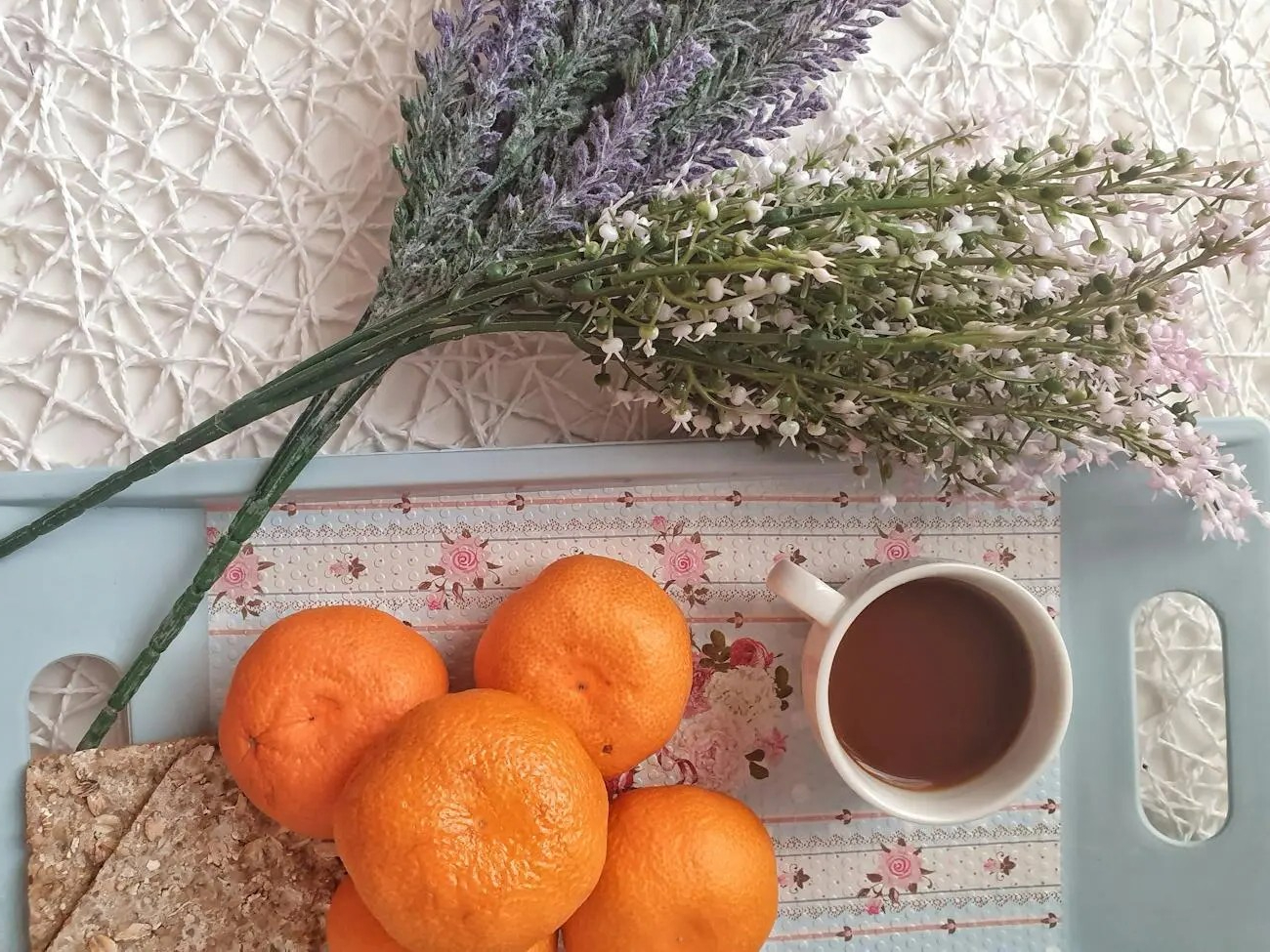
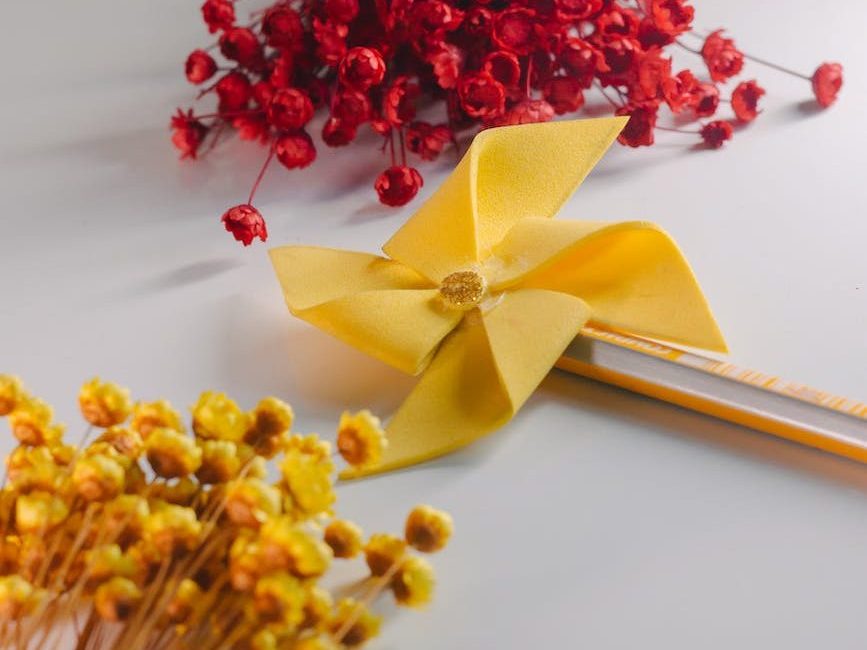
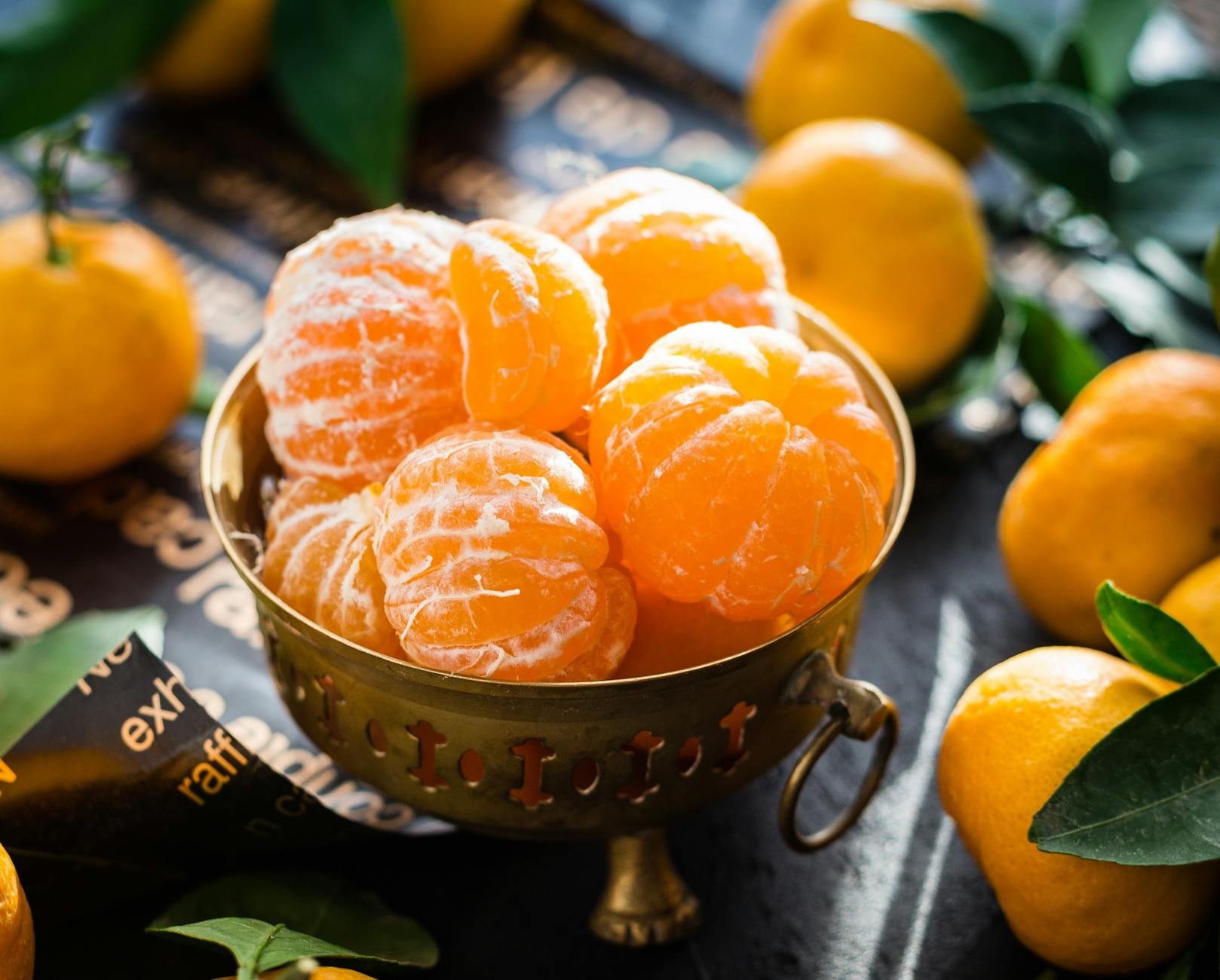

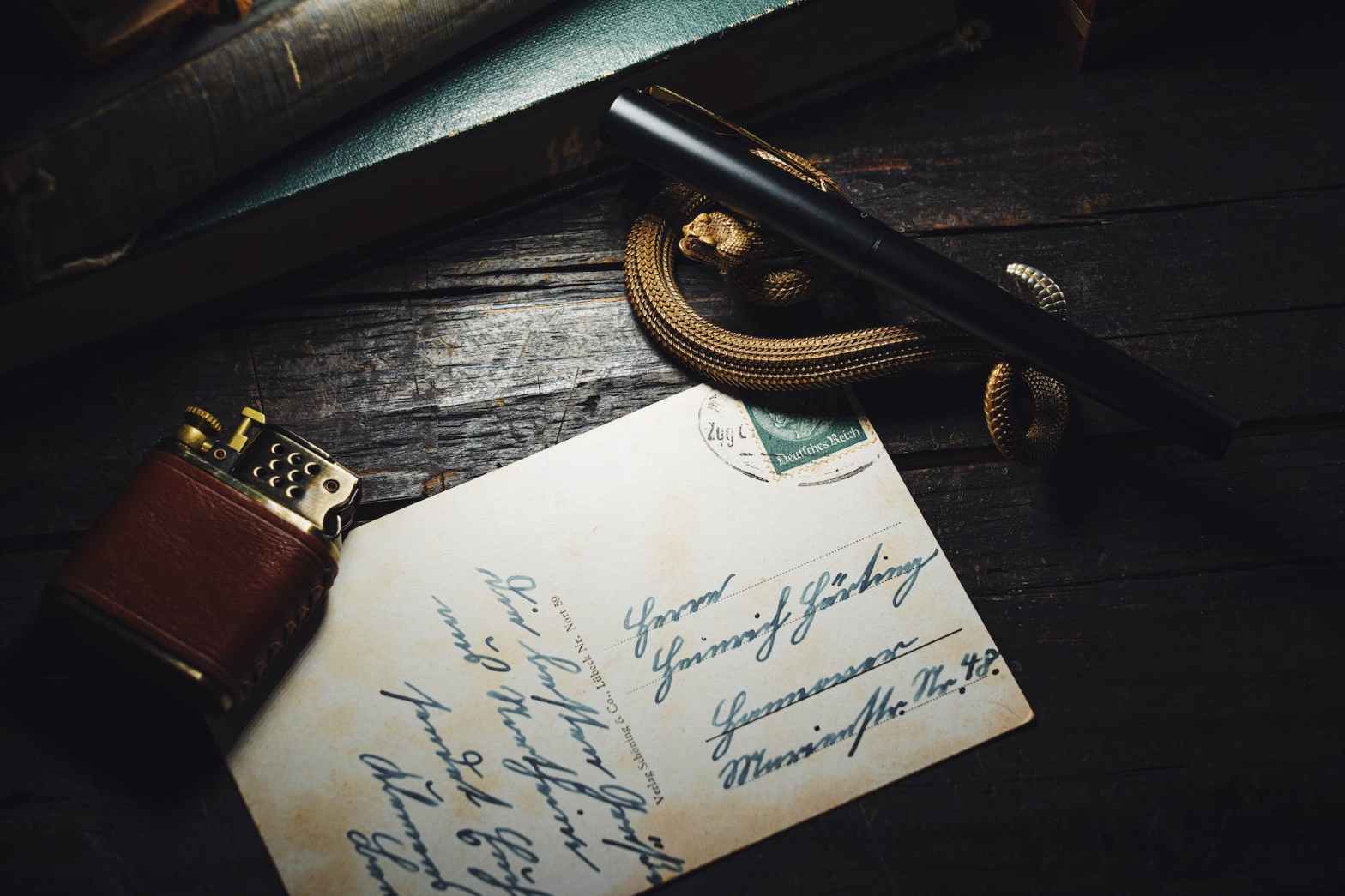

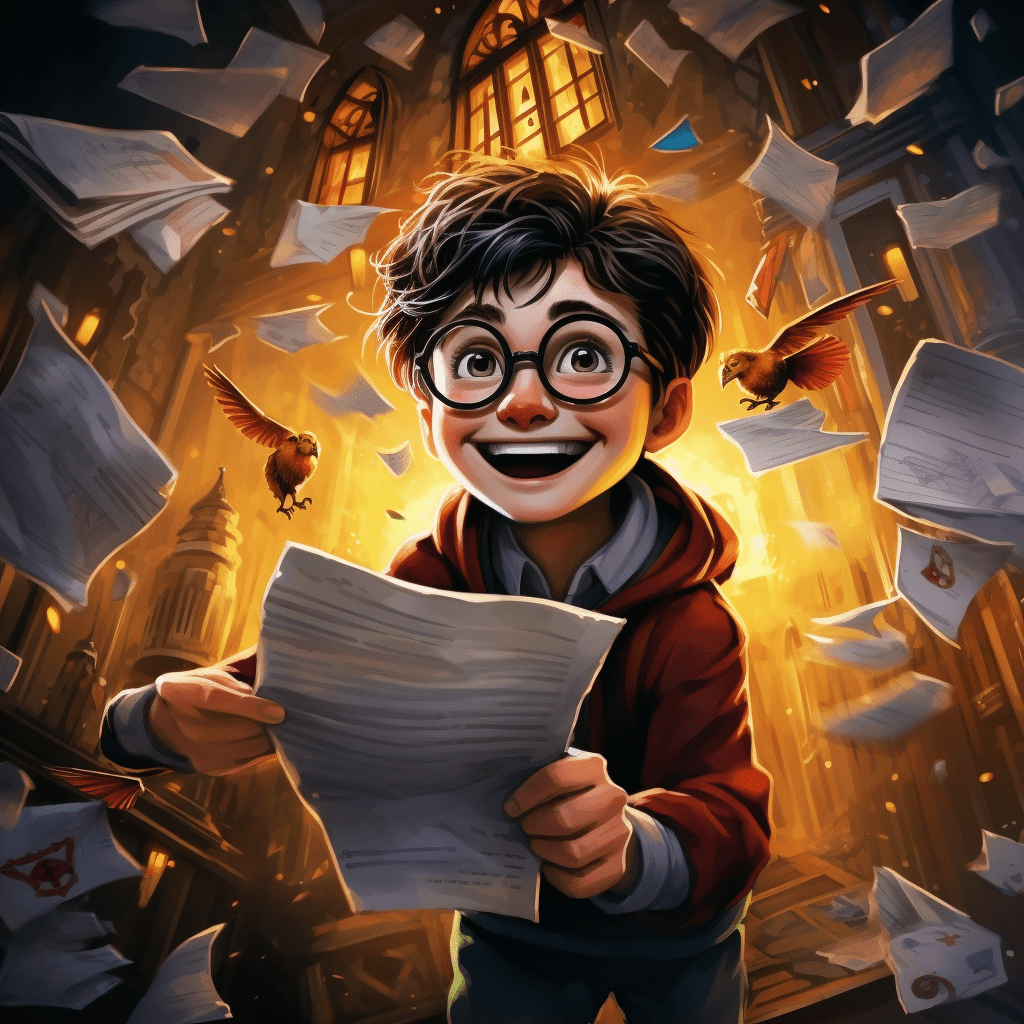
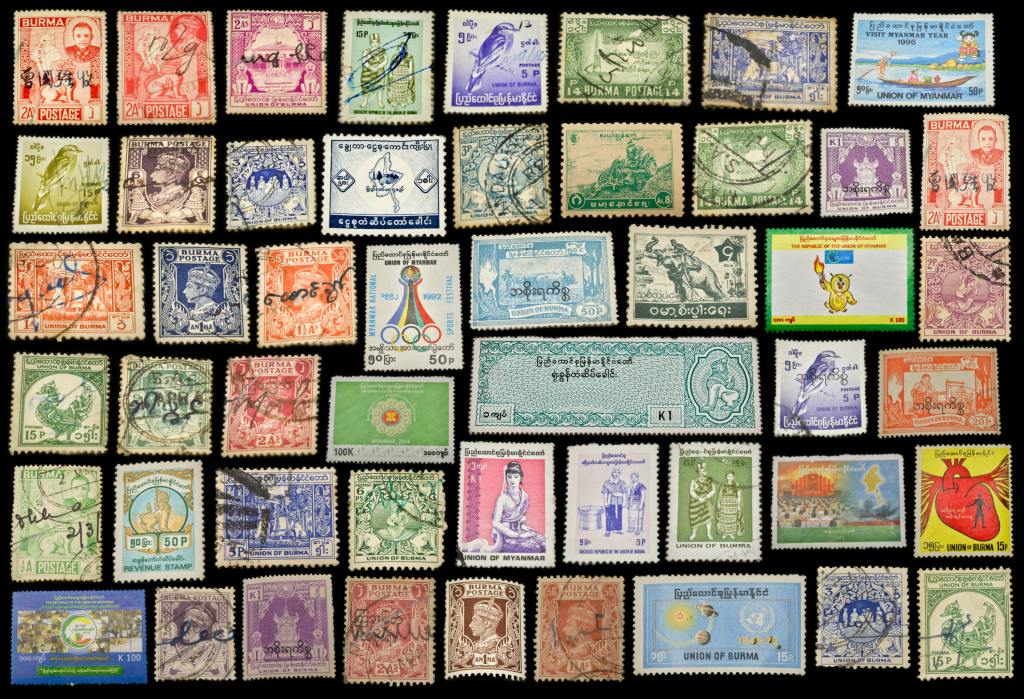

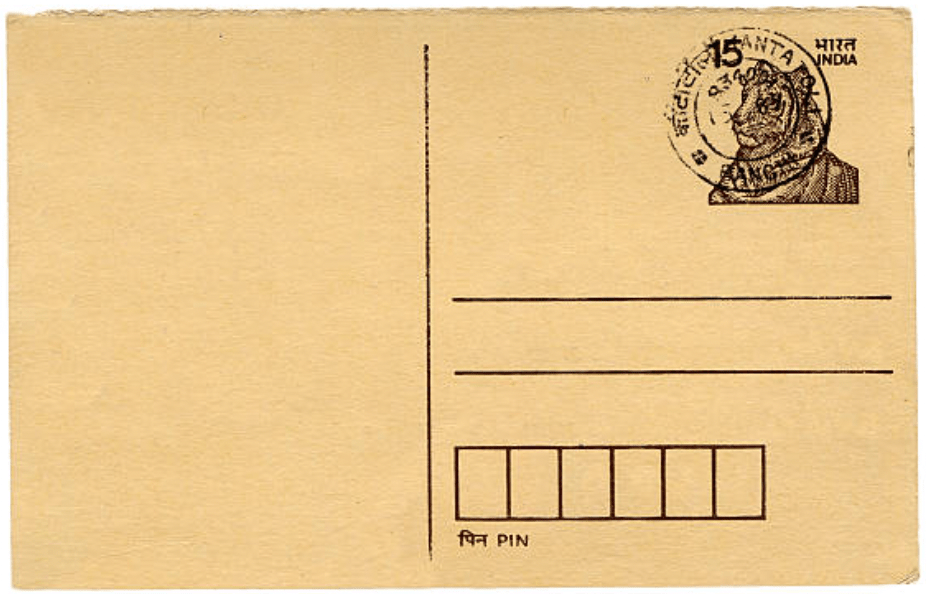

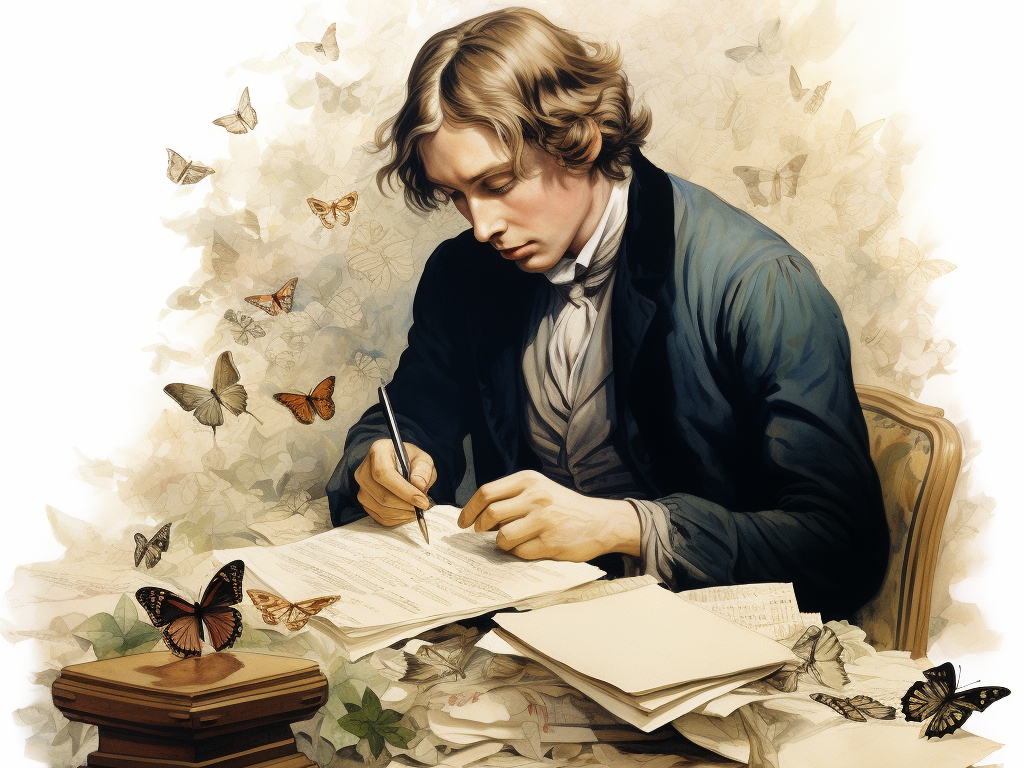
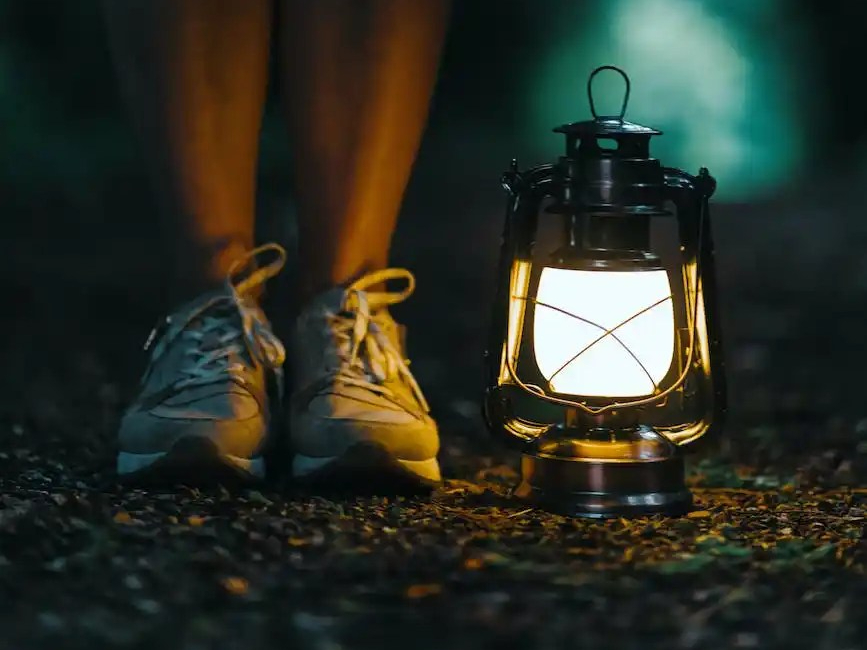




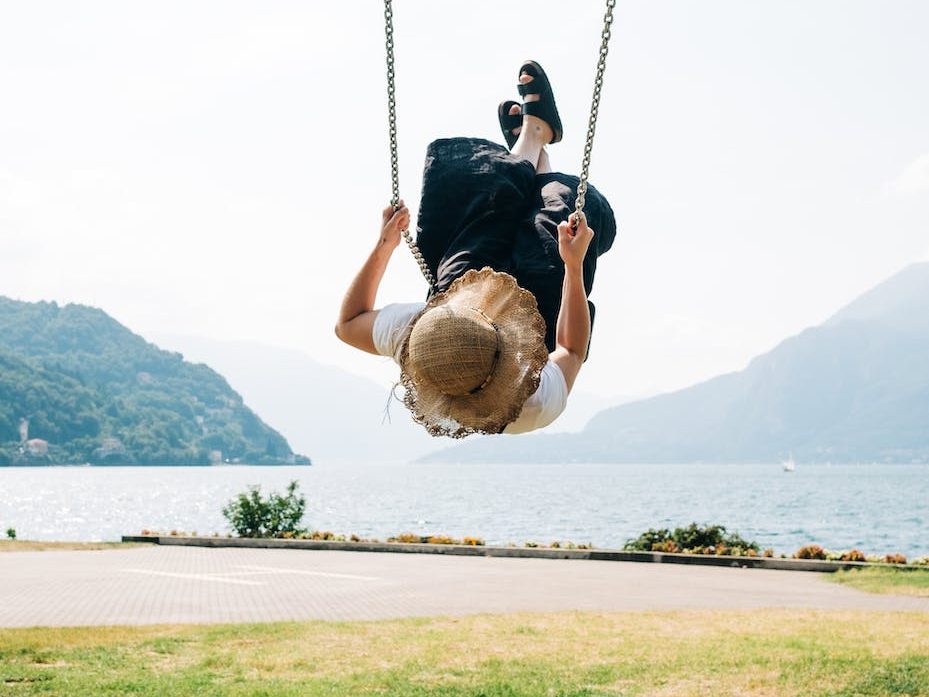
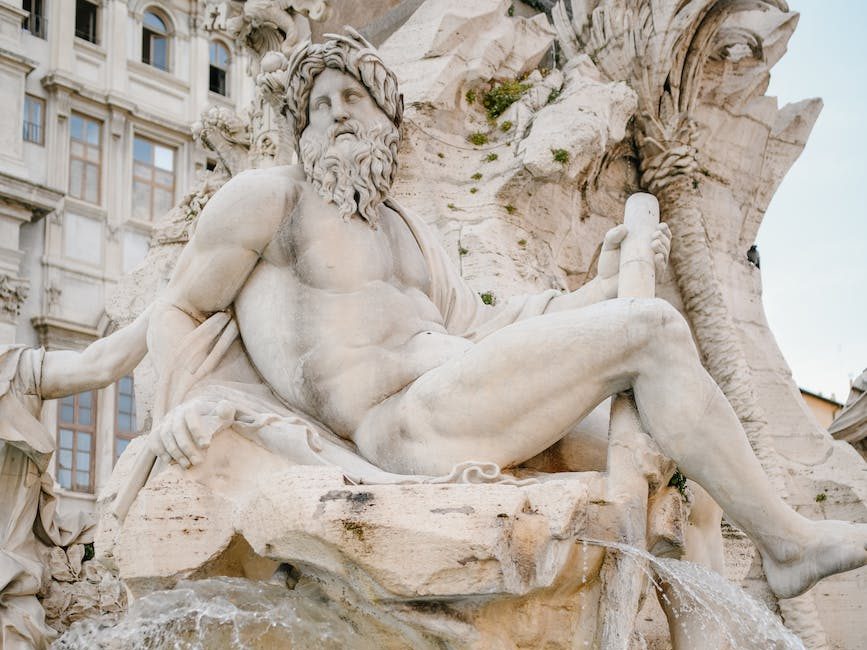
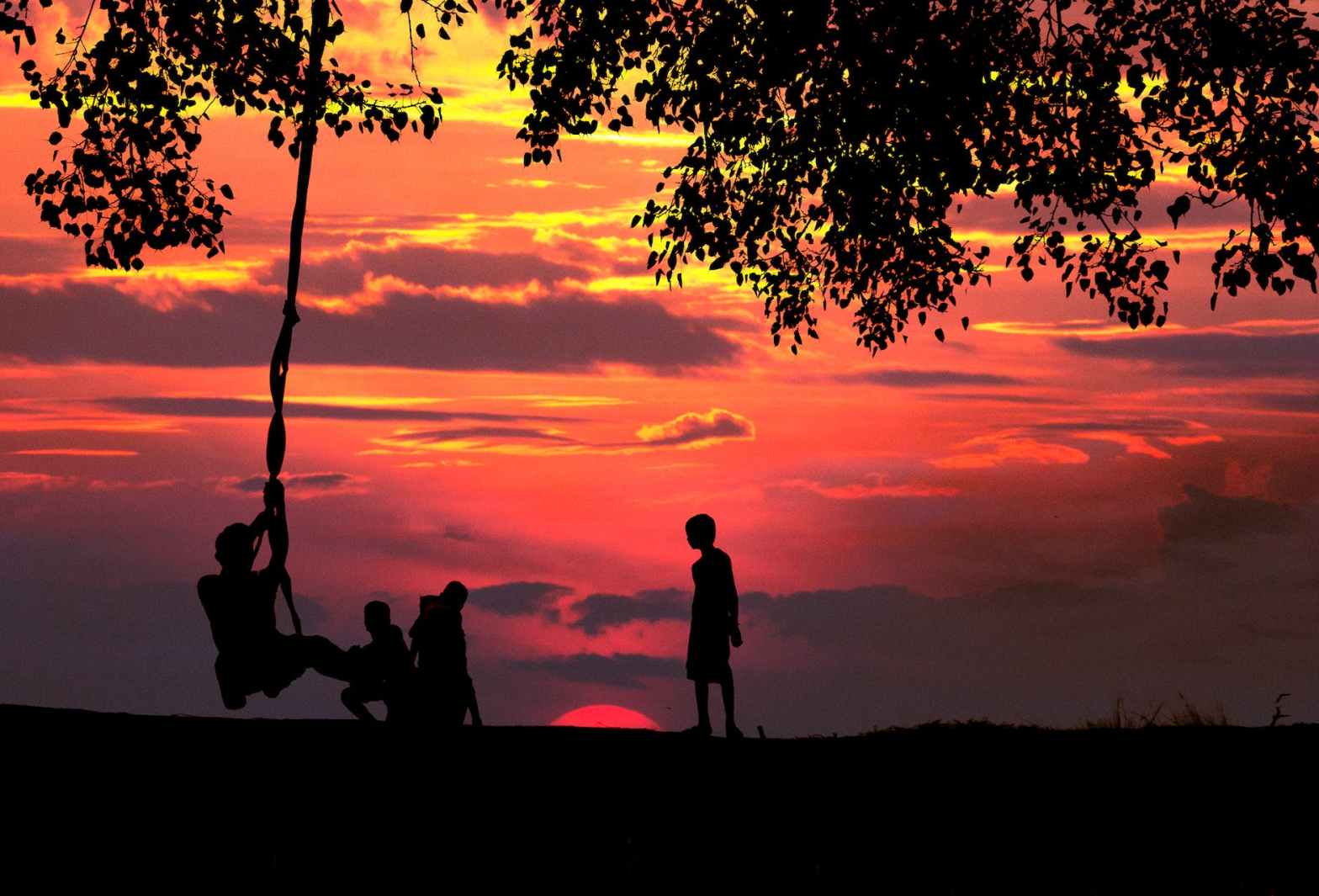

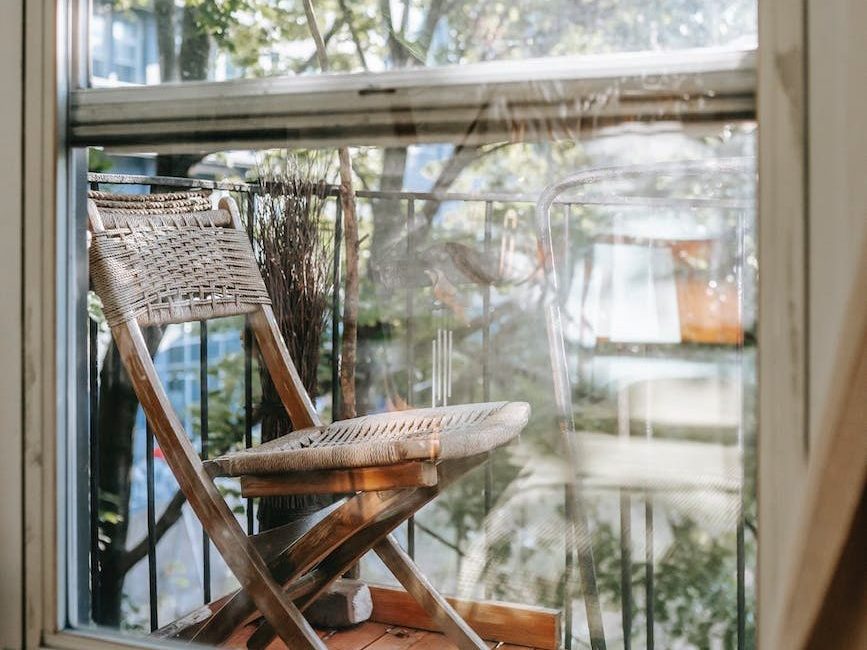


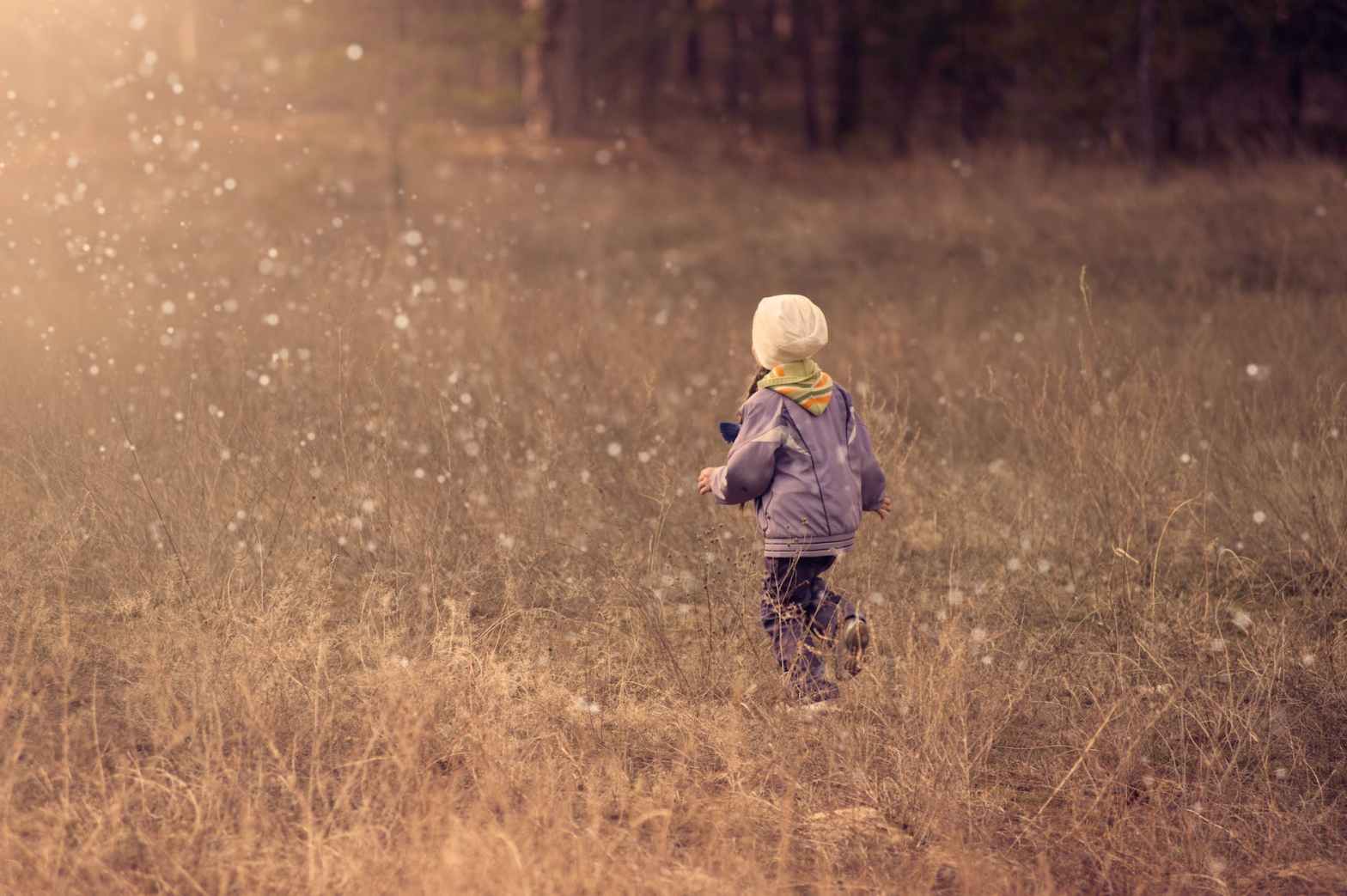


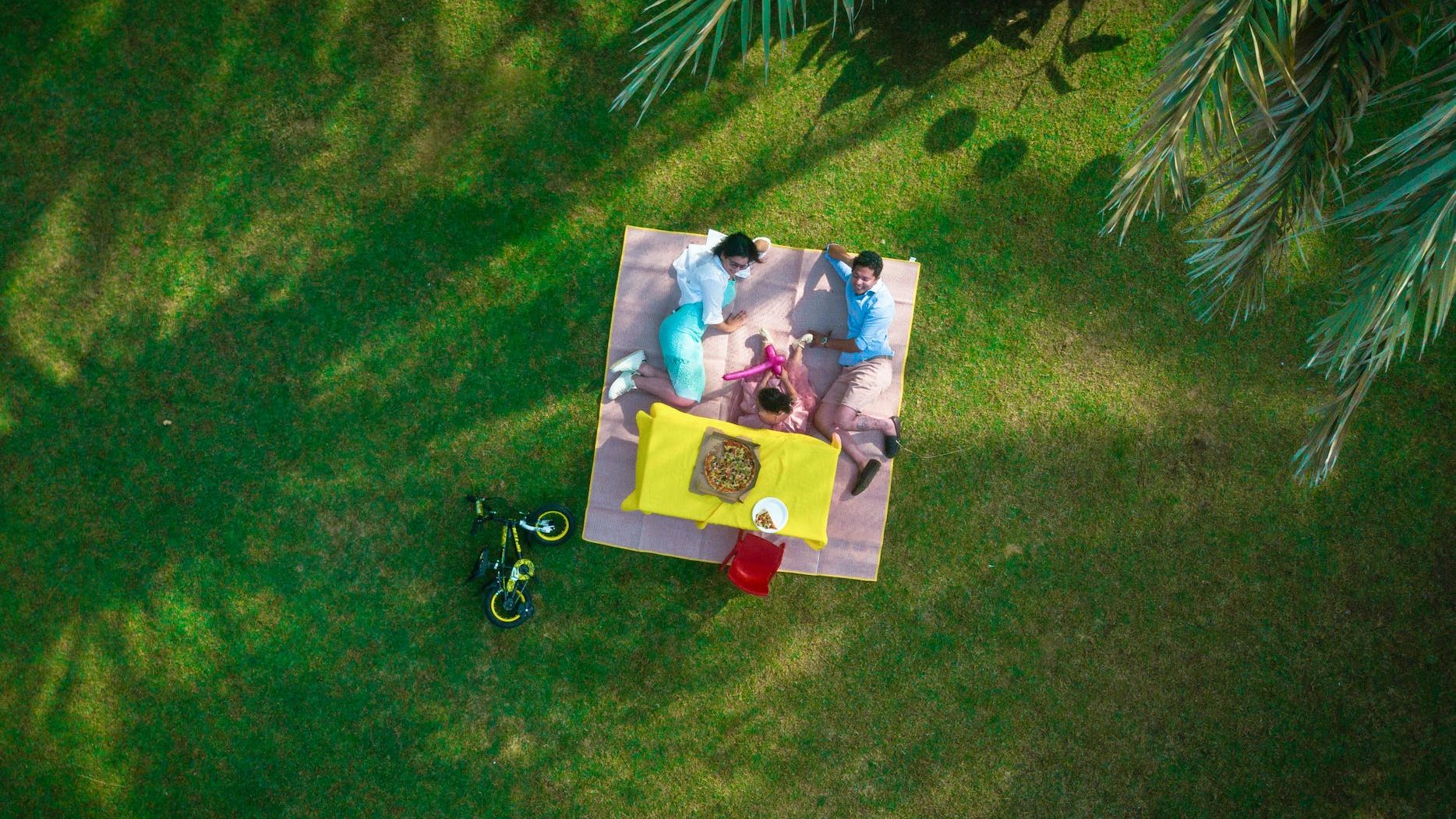
 Somesh | Katyayan