…but I’m so glad that your letter found me and that my book found you..
The Guernsey Literary and Potato Peel Pie Society
Speaking to Nanaji has now become a weekly ritual. Sometime long back it was a part of my daily routine. Our conversations have always revolved around me enquiring about his health and Nanima’s, what’s he had for breakfast or supper, what was he doing just then, the weather back home, is it too hot or too cold or too rainy, him asking me about the same questions, questions that have evolved from how my studies are (during my school and university days) to now, how’s my work going, when am I going to get married, to how much more am I going to study, what was I studying just then and if I am ever going to come visit them. Last time when I dialed him, I asked them about letters, letters being on my mind since I had recently been reading the ‘84, Charing Cross Road’ and before that ‘The Guernsey Literary & Potato Peel Pie Society’. Correspondence between the lead characters, sharing intimate details of their very different lives and the request for books from one to the other being the common themes that I drew, besides the warmth of friendships and the exchange of rare artefacts, Christmas gifts, the beauty of Channel Islands, the quaint streets of London, the cheerful people resolute in the times of their misery.
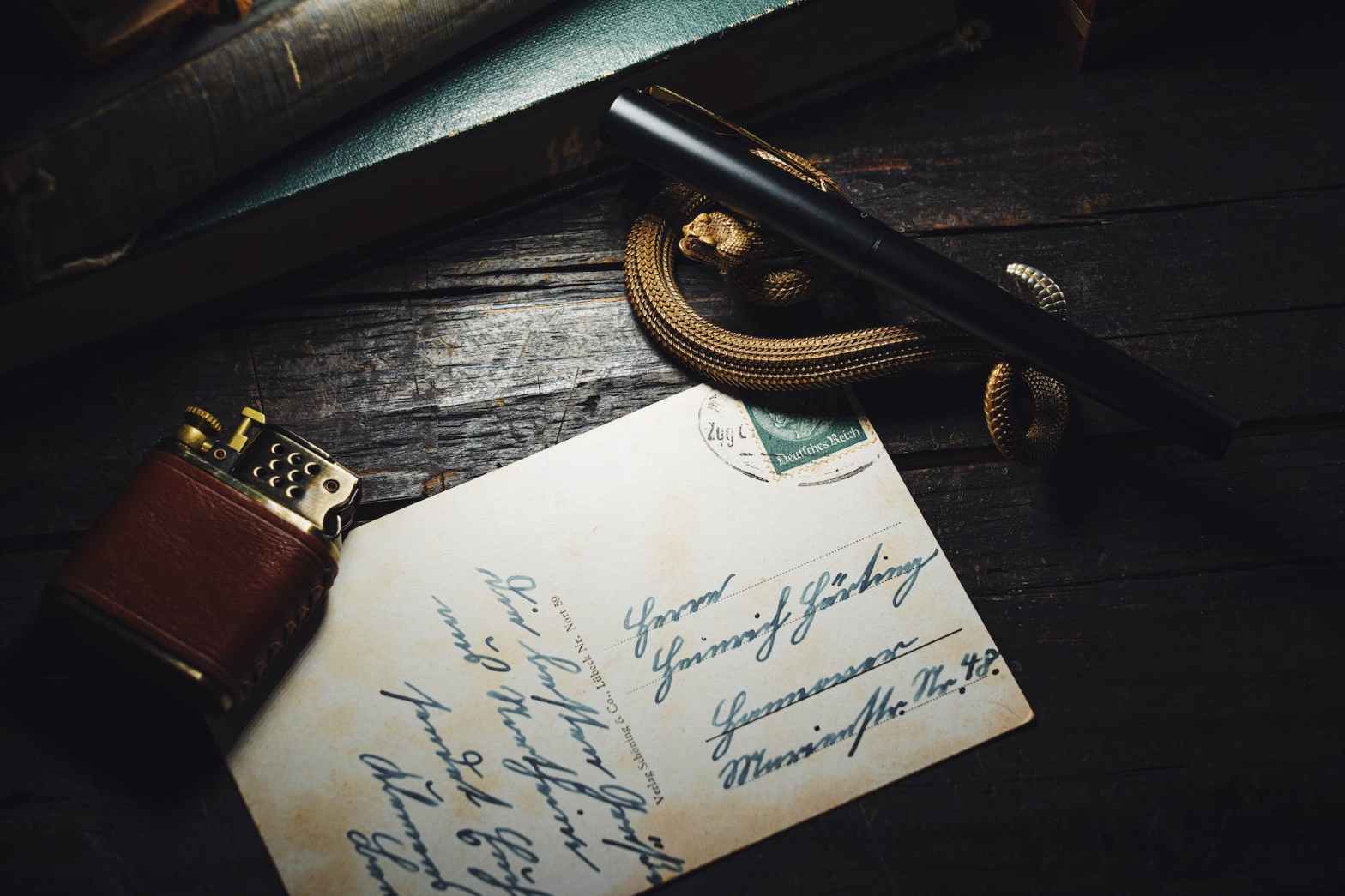
I belong to probably the last generation that would have remotely witnessed the art of letter writing or even has faint memories of letters, postcards, telegrams and suchlike. I fondly remember my mother receiving them. I would forever be grateful to my grandparents for writing, at times addressed to me. I remember being instructed myself to write a few.
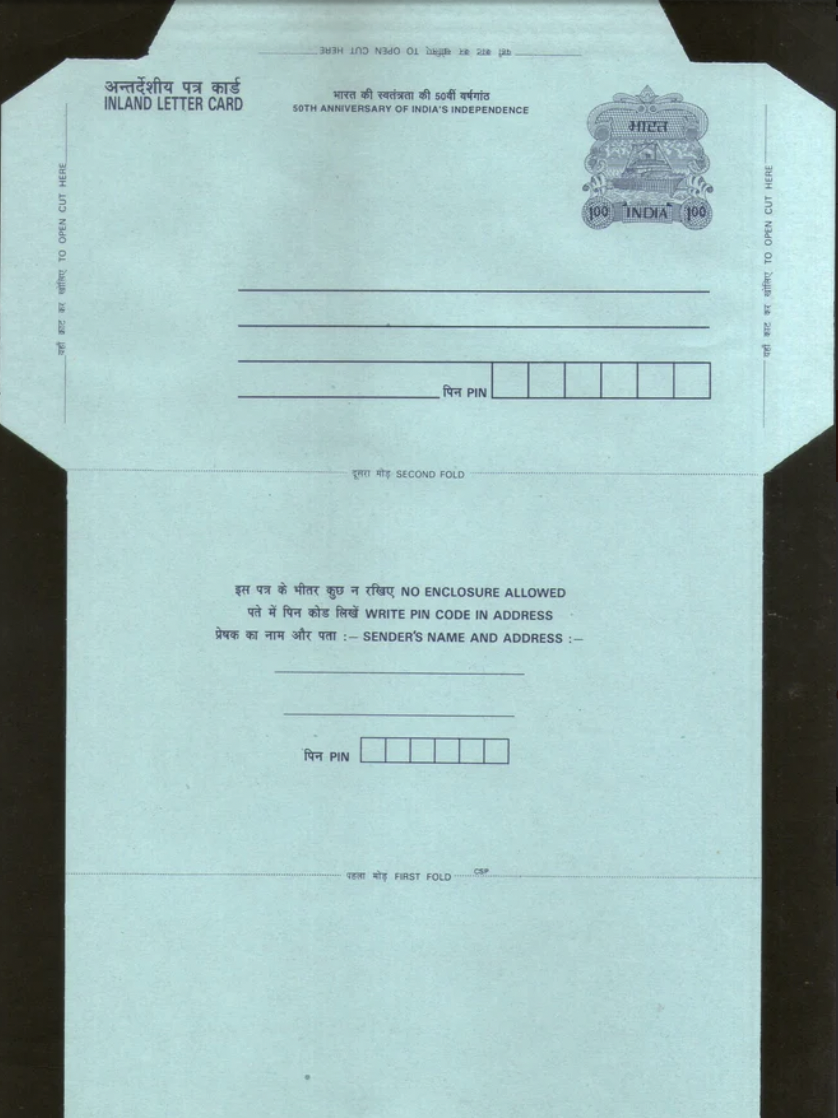
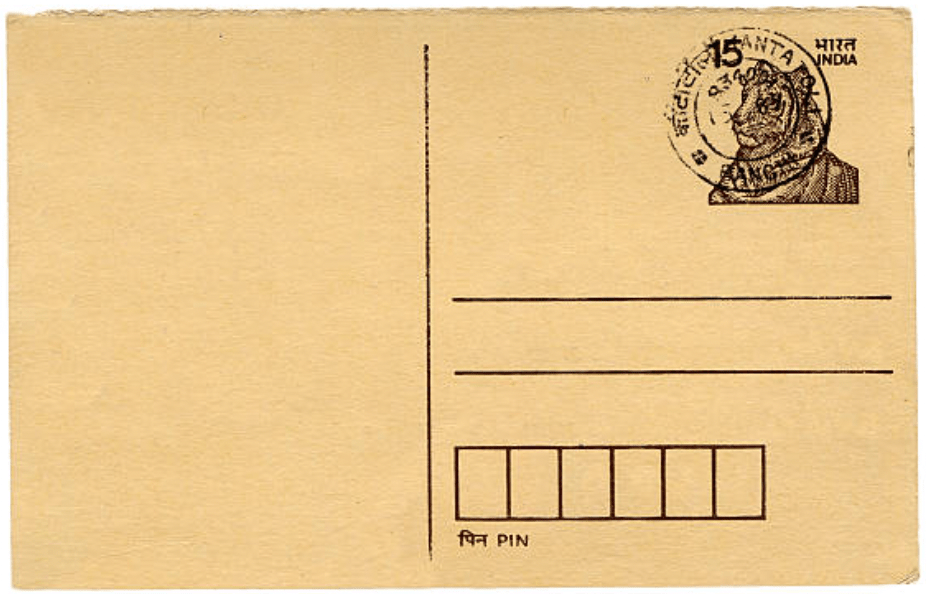
I spoke to my grandparents of how letters in the past were written, the different forms. They told me how good the postal service back then was, how during his varsity days, often in the evenings Nanaji carried a postcard for his brother and dropped it off at the RMS (Railway Mail Service) to be picked up at 5 and delivered the next day, how it would take Nanima only two to three days to write him from her parents’ home, how she still has that letter her mother wrote her when she first came to stay with him, of how they were always scared when they would receive a telegram, expecting the arrival of some unfortunate news. Telegrams were costly, chargeable per word and more than people at the time could afford. They usually brought back home the news of appointments and deaths. They told me how the blue-looking inland letters issued by the Post office were different from the postcards and envelope letters, with their sharp folds, places designated to write upon and portions to glue. Nanaji has saved a letter written to him by one of his dear friends. It’s in the brown briefcase kept with a stack of black briefcases on top of an almirah that still stands tall in the corner, next to the north facing window of his room or the east one. Half his room is windows.
No, the letters that came by post were nothing like today’s electronic mail or e-mail as we call them. Today the mode of communication is instant, quick and comforting. Letters of the past, were painstaking to write, not hurriedly typed but meticulously handwritten. Today we might not even need to type out those drab mails of ours or draft official notices and circulars. We may simply give a prompt on ChatGpt or similar AI tools and have a templatized and more or less accurate response ready. There’s little application of the mind required, save the prompt.
However, I am afraid what we might lose in the process is a treasure trove of literary genius and the little nuggets of history that present themselves in the archives. Our own little footprints on the beaches of time. How then do the digital prints compare to these, is anyone’s guess. I am afraid they’re going to come up real short.
‘There is a bareness about an age that has neither letter-writers nor biographers’
Virginia Woolf
From ancient times, there are plenty of brilliant Epistolary examples. Bhagavata Purana, the Indian scripture, cites a letter written by Princess Rukmini to Lord Krishna, expressing her affection and laying out a plan for her rescue. The exchanges between Marcus Aurelius and his teacher Fronto (AD 139-148), are a fine example of Homosexual love. The 12th century letters between Abelard (a famous French philosopher) & Heloise (his pupil), reveal a passionate burning love, the unfolding of a major scandal and a tragic end. Their story inspired a poem, ‘Eloisa to Abelard’ by Alexander Pope, in which a line (Eternal sunshine of the spotless mind) became the title for the 2004 romantic movie starring Jim Carrey and Kate Winslet, and the poem was recited by the character Mary Svevo during the memory-erasing procedure.
How happy is the blameless vestal’s lot! The world forgetting, by the world forgot. Eternal sunshine of the spotless mind! Each pray’r accepted, and each wish resign’d
‘Eloisa to Abelard’ by Alexander Pope
The letters of the past did not sound distant and impersonal. They carried a spontaneity in them and yet an earnest thoughtfulness. They were absorbing, each had a story to tell. My bias, maybe stems from a natural love for written words. I feel something written down only makes it more real. Something written with hand, follows less of mind but flows directly from the heart and the scribbles and scritches are somewhere edged back in our souls. A dip pen or a quill to drip into your feelings and memories, and draw them out, just like the ink.
There was an entire emotive experience attached even to letter reading. The agonizing wait, the anticipation, the excitement and the satisfaction. The thrill of tearing the envelope open, pulling out the letter and carefully unfolding them, passing them from hand to hand, the tendency to peek and huddle while one read them aloud. The touch, the texture, the scent of paper and the ink used. The papery smell, at times musty and damp, at times dry and dusty, weather worn and bearing traces of their journey. A coffee ring or spilt tea, an ink splash, a thumb print, a kiss, were all a part of the letter. A whiff of the pungent smell of ink and finger tips retracing the scribbles of pen. Holding the paper in your hand is like holding onto feelings, if you drop, they won’t just plunge, they would most certainly drift.
The Missing Mail
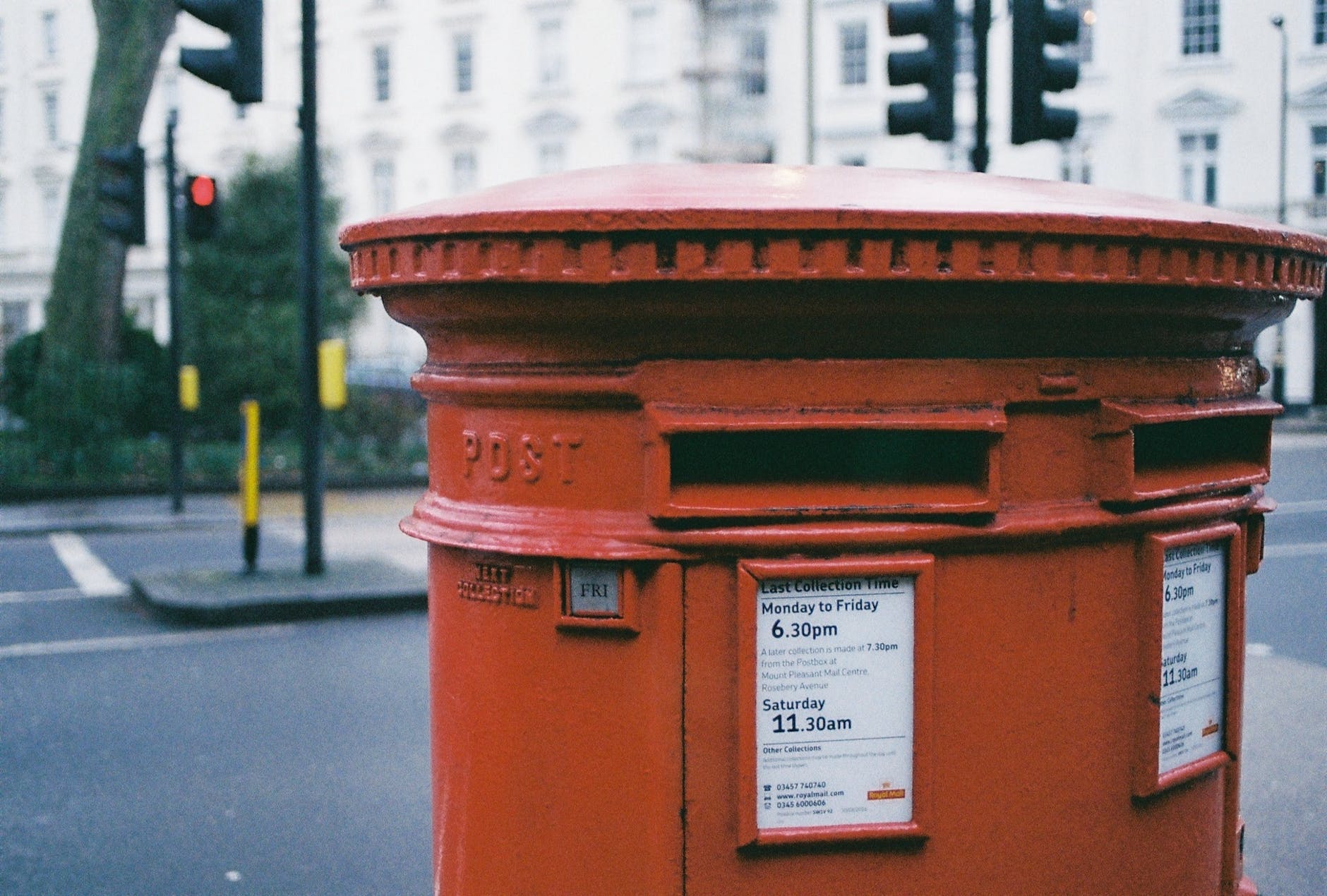
I still remember R.K Narayanan’s short story from ‘The Malgudi Days’ titled ‘The missing mail’. We had the story as part of our school curriculum. The affectionate postman delivering letters and stopping at each house to share their joys and worries and grief, consoling and condoling, proffering letters and congratulatory messages, in turn, being offered sweets and water. Very much a part of the daily lives of the people of Malgudi. Nowadays all we receive from the post is maybe a sim card, or bank cards or invoices, shareholding information, physical copies of official communication or maybe a zipping letter from Hogwarts. The khakhi-clad talkative postmen delivering mail on bicycles, carrying letters in their brown sling bags are very much a thing of the past, as are the red and black letter boxes that were once ubiquitous. Growing up, my sister even had a piggy bank, shaped like a post box, with a slit and a door below locked with a tiny golden lock.
‘Once on a very foggy night I could not find a friend’s house so instead of wandering about for hours I posted myself and was delivered in a few minutes.’
Reginald Bray, on paying the Post Office to get a postman to walk him home (1900)
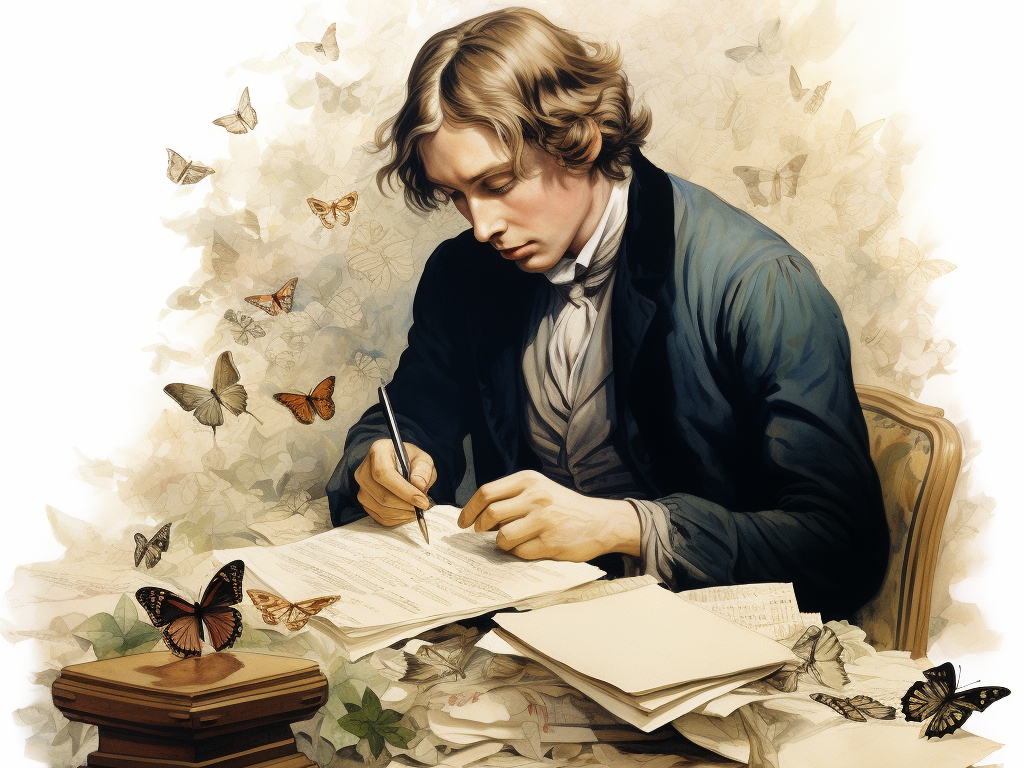
At times the letters had smudged ink but indelible memories, to be stowed away with the stack of older ones, ending up a part of the family heirloom. The words were carefully picked. Today in our short cryptic writings on instant messaging apps, in our pensive mood or in elation or love we do share with our friends, beautiful little nuggets of truth and wisdom. Comments on the world around us, observations, our adventures, failings, remorse and exhilaration. But everything is on a fly, passing by. Everything being there, somewhere on a cloud server and being lost just like that, never really there. Much is also lost in conveying love in short snippets of today’s messages and symbols, where emotions have become emojis. To be able to love and not express it in a wholesome manner seems a travesty. Love is never supposed to be quiet. It is grandiose and so must be its expression. It is about outrageous exaggeration, lofty promises and loud proclamations, innocent hope and a firm belief in all of it to be true. Imagine, were it not for the letters we would never have come to know of the beautiful correspondences of Anaïs Nin and Henry Miller, Amrita Pritam and Imroz (Dastavez), Oscar Wilde and Alfred Douglas, John Keats and Fanny Brawne, Ted Hughes and Sylvia Plath, Virginia Woolf and Vita, ‘Letters from a Father to his Daughter’ and many more.
‘I almost wish we were butterflies and liv’d but three summer days. Three such days with you I could fill with more delight than fifty common years could ever contain . . .’
A dying Keats writes to Fanny Brawn
‘Make it rich as a draught of poppies to intoxicate me. Write the softest words and kiss them that I may at least touch my lips where yours have been.’
John Keats
My First and the Only Love Letter
‘If you must re-read old love letters better pick a room without mirrors.’
journalist Mignon McLaughlin in ‘The Second Neurotic’s Notebook’
The first and the only love letter I had given was on an impulse and today when I look back, though squirming, I admire the kid who had the spirit and the gumption to do it. It was an innocent enough letter, harmless, to express admiration, affection, celebrate friendship and love, and rue the impending farewell. I was a reluctant kid back then, of chosen words and meek demeanor. So, something must have moved me enough and deeply, to go ahead and write the letter. Something told me that the world would cease to exist if I did not drop that off. I was nervous, paced in my room scared to death on how it would be received and if not anything, I would call the recipient, my friend, feisty who would have punched me straight in the face. But it was for some reason really important to me. I borrowed my friend’s bike, tucked the envelope in my pocket and hopped on to face the end of the world.
Waiting outside her hostel I was awkward and skippy, with several eyes upon me. That I was not an unknown face, did not help. She came down with a visibly confused and an irritated look. Both tentative, that the other would do something stupid. She had that quizzical look when I handed over the letter, for a moment she went blank and then quite gracefully accepted. We shook hands, spoke of something totally irrelevant and parted, relieved. A huge load off both our chests.
It was a pretty stupid thing to do. But you’d wonder, did I or did I not receive a reply? I most certainly did. A very generous one, overflowing with emotions, love and affection. Moreover, I had found someone I could unabashedly write letters to.
प्यार का पहला खत लिखने में वक़्त तो लगता है (It takes time to write the first letter of love)
JAGJIT SINGH
“You pierce my soul. I am half agony, half hope. Tell me not that I am too late, that such precious feelings are gone for ever.”
Jane Austen (PERsuasion, A Letter from Wentworth to Anne)
However much it may seem, this piece is in no way an exhortation to go back to the ways of the old, merely a cherished celebration, of a practice that was once a way of life, a privilege, a beautiful art form that seems to be slowly slipping into oblivion.
P.S. Go check out Simon Garfield’s ‘To the Letter’. I opened the book and out tumbled letters in heaps, centuries-old beautiful correspondences filled with complicated relationships and historical trivia.
6 thoughts on “खत, Chitthi: The lost “art” of letter writing”
This post about earlier days letters and postcards took me on a nostalgic journey through time. It beautifully captures the essence of handwritten correspondence, reminding us of the personal touch that’s often missing in today’s digital age.
Glad you liked it Shakti 🙂 So true, the handwritten letters of old were heartfelt, & I feel emotions do not transition so using digital means (though more accessible & convenient)
A really heart touching topic you chose….cause I just loved writing letters and receiving them too.Greatv authors and personalities wrote letters and later they were all published…
So letter writing is definitely an art that is getting out of use….and in course we are losing great writings.
🙂 True Ma’am, a practice that fell out of habit & use. Today we come across beautifully crafted letters by eminent personalities, great thinkers and authors of different ages, which would otherwise not have existed were it not for the practice that was very much prevalent till a generation ago.
Phenomenal writing dear Shanu. Loved reading it thoroughly. What a lucid writing…..lived those old days when I used to wait for the postman. Now I feel that not everything in modernity can be celebrated…. certain things are so aesthetic in its own form.
Thanks for sharing this lovely write up. People of my generation will goo mad reading this piece. So so relatable.
Thank you so much Mausi, happy you loved it 🙂 Have written some letters & have come across many, read out by Mummi. At the turn of the century & with Tech developments we’ve lost some of our beautiful practices. Was reading a book on letter writing by Simon Garfield and came across beautiful correspondences of some of the greatest authors across centuries.
 Somesh | Katyayan
This post about earlier days letters and postcards took me on a nostalgic journey through time. It beautifully captures the essence of handwritten correspondence, reminding us of the personal touch that’s often missing in today’s digital age.
LikeLiked by 1 person
Glad you liked it Shakti 🙂 So true, the handwritten letters of old were heartfelt, & I feel emotions do not transition so using digital means (though more accessible & convenient)
LikeLike
A really heart touching topic you chose….cause I just loved writing letters and receiving them too.Greatv authors and personalities wrote letters and later they were all published…
So letter writing is definitely an art that is getting out of use….and in course we are losing great writings.
LikeLiked by 1 person
🙂 True Ma’am, a practice that fell out of habit & use. Today we come across beautifully crafted letters by eminent personalities, great thinkers and authors of different ages, which would otherwise not have existed were it not for the practice that was very much prevalent till a generation ago.
LikeLike
Phenomenal writing dear Shanu. Loved reading it thoroughly. What a lucid writing…..lived those old days when I used to wait for the postman. Now I feel that not everything in modernity can be celebrated…. certain things are so aesthetic in its own form.
Thanks for sharing this lovely write up. People of my generation will goo mad reading this piece. So so relatable.
LikeLiked by 1 person
Thank you so much Mausi, happy you loved it 🙂 Have written some letters & have come across many, read out by Mummi. At the turn of the century & with Tech developments we’ve lost some of our beautiful practices. Was reading a book on letter writing by Simon Garfield and came across beautiful correspondences of some of the greatest authors across centuries.
LikeLike